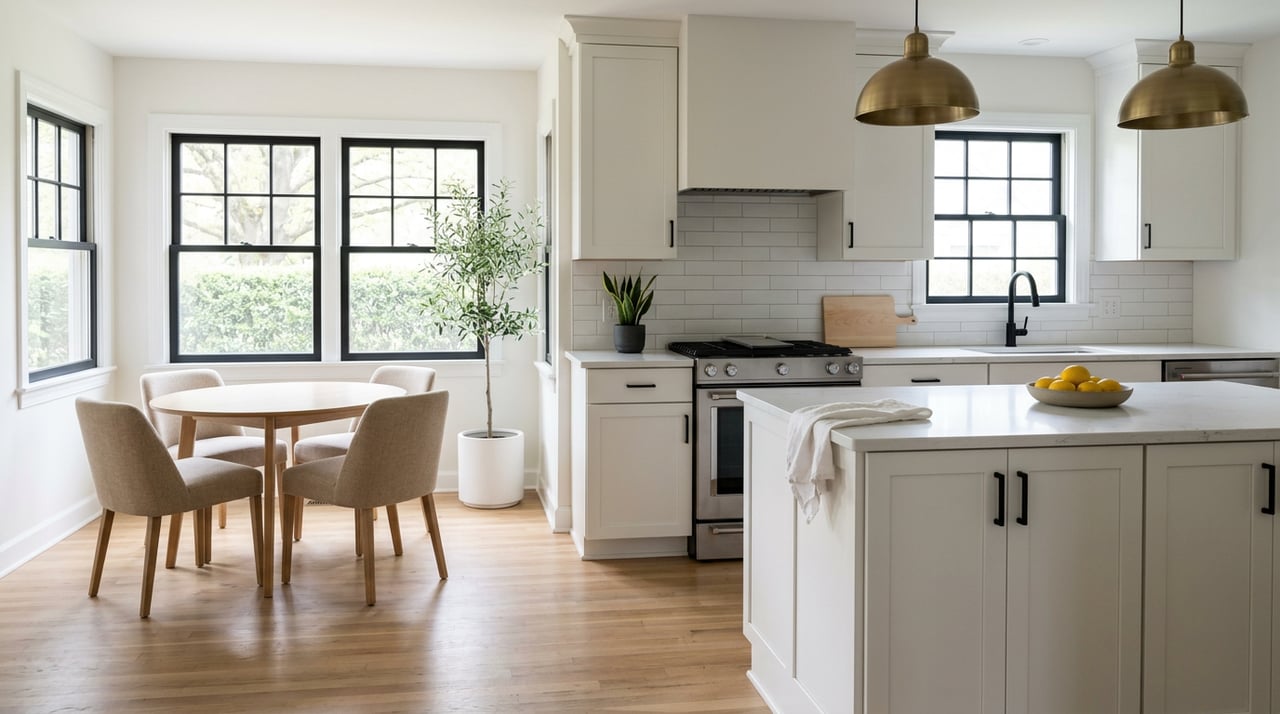
If you are getting ready to sell in Homewood, you are competing in a market where charm, walkability, and livability drive decisions. Buyers love original details, but they expect clean, move-in-ready presentation online. In this guide, you will learn design-forward staging moves that honor your home’s character and help your listing shine from the first photo. Let’s dive in.
Why staging matters in Homewood
Homewood’s appeal centers on walkability, neighborhood shopping, and schools, along with historic housing that feels special. City data highlights those buyer draws and shows strong demand, including an average sale price around $512,808 in 2023 and very short median days on market reported at 4 days for that year (City of Homewood State of the City). Even in a fast market, smart staging helps your home stand out and justify top offers.
Staging works. In NAR’s 2025 Profile of Home Staging, 83% of buyers’ agents said staging made it easier for buyers to visualize the property as a future home. Many agents also reported quicker sales and higher offers. The living room, primary bedroom, and kitchen are the most influential rooms, so you should focus budget and energy there first.
Most buyers start online, so your photos are the first showing. NAR’s buyer research shows that listing photos and online presentation strongly influence who books a tour (NAR buyer behavior overview). In short, staging is your strategy for winning attention and showings.
As you plan, remember that portal snapshots vary. A recent city-page snapshot shows a median sale price near $492,000 for Homewood, which can differ from city averages due to different methodologies (Redfin Homewood snapshot). Always confirm pricing and days on market with your agent and local MLS comps on your street.
The Homewood look: respectful modern
Homewood’s housing stock includes 1920s to 1940s Tudors, Craftsman bungalows, and cottages with hardwoods, built-ins, and arched openings. Buyers value that character plus sensitive updates (neighborhood overview). Aim for a “respectful modern” approach.
- Spotlight original features. Keep sightlines open to trim, mantels, and built-ins. Avoid clutter that hides charm.
- Scale to smaller rooms. Choose right-sized furniture and remove bulky extras so cottages feel roomy.
- Keep finishes neutral. Warm whites, soft grays, and layered textures photograph well and let buyers imagine their own style. NAR’s staging data supports broadly appealing, neutral palettes.
Room-by-room game plan
NAR data shows the living room, primary bedroom, and kitchen influence buyers most. Prioritize time and budget there first (NAR 2025 staging profile).
Entry and porch
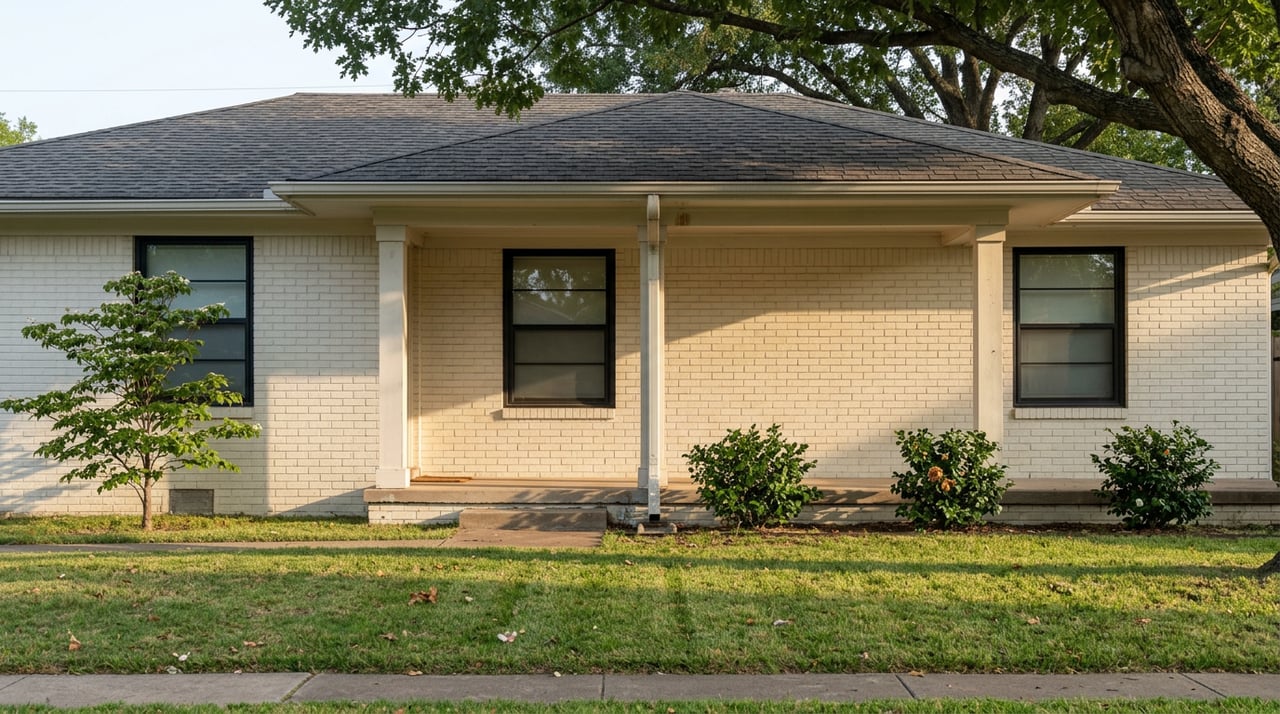
- Freshen the front door with a tasteful contrasting color and clean hardware.
- Replace a worn doormat and clean the porch light and house numbers.
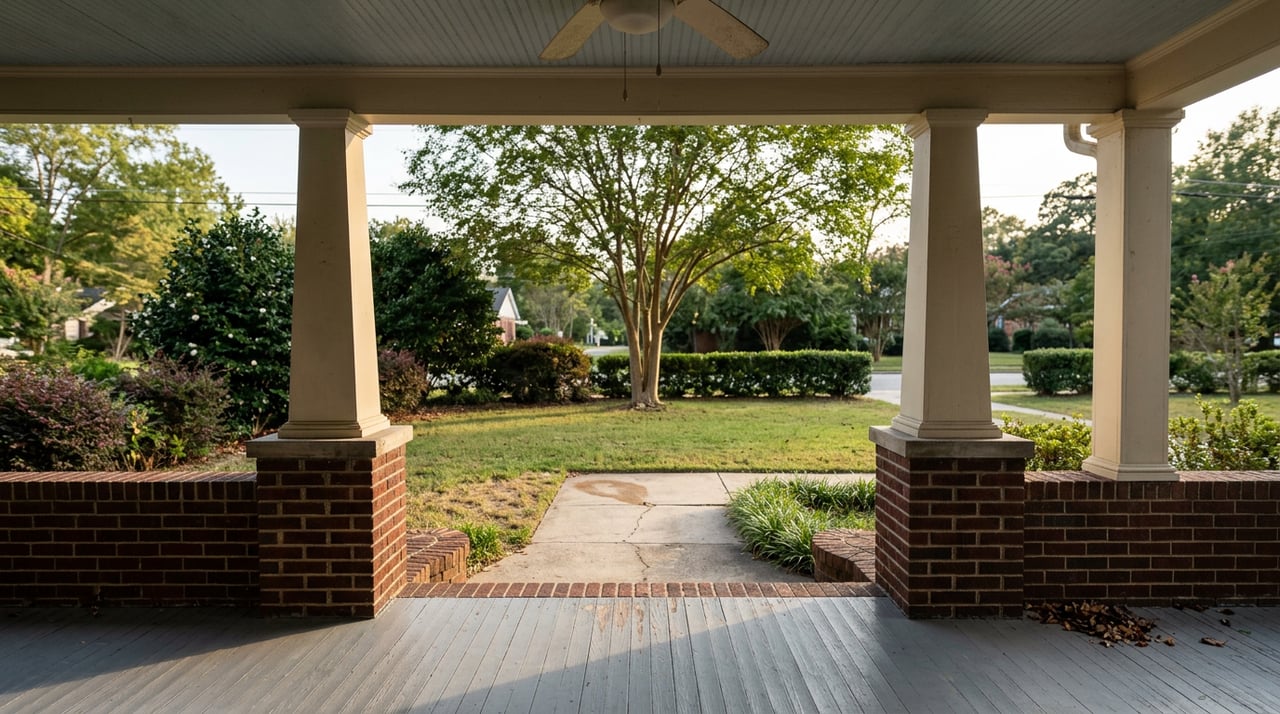
- Add potted plants and simple mulch for a crisp first impression (low-cost curb appeal tips).
Living room
- Create one clear seating area anchored by a correctly sized rug.
- Remove extra pieces. A slim sofa, one chair, and a small coffee table often read larger than two sofas.
- Layer lighting with a floor lamp and table lamp to brighten corners.
- Style the mantel or shelves with a few coordinated pieces, not a full collection.
Kitchen
- Clear countertops to 90% bare. Put small appliances away.
- Remove magnets and paper from the fridge.
- If budget allows, swap cabinet hardware and update a dated light.
- Add a simple vignette like a bowl of lemons and a cutting board. Presentation signals cleanliness and function (staging quick wins).
Primary bedroom
- Use neutral, high-quality bedding and add two to three pillows for a hotel look.
- Keep nightstands simple with matching lamps and one book or small plant.
- Edit furniture so there is clear walking space on both sides of the bed.
- Tidy the closet and remove about half of your items to showcase storage.
Bathrooms
- Re-caulk where needed and refresh grout.
- Replace a busy shower curtain with a simple linen panel or glass.
- Add fresh white towels and a small plant.
- Polish fixtures so they look cared for (bath refresh ideas).
Closets and storage
- Empty at least 40% to 50% to highlight capacity.
- Use simple bins or a shelf system to show order, not overflow.
Yard and exterior
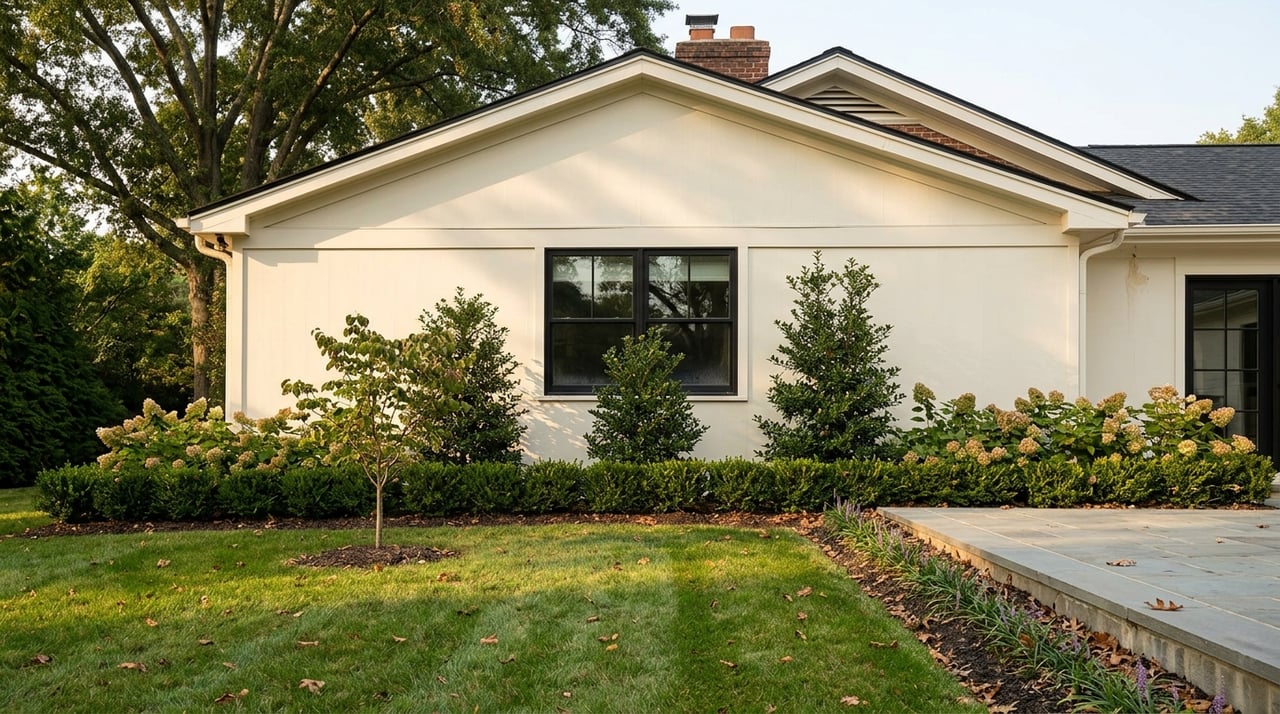
- Mow, edge, and add a light layer of mulch.
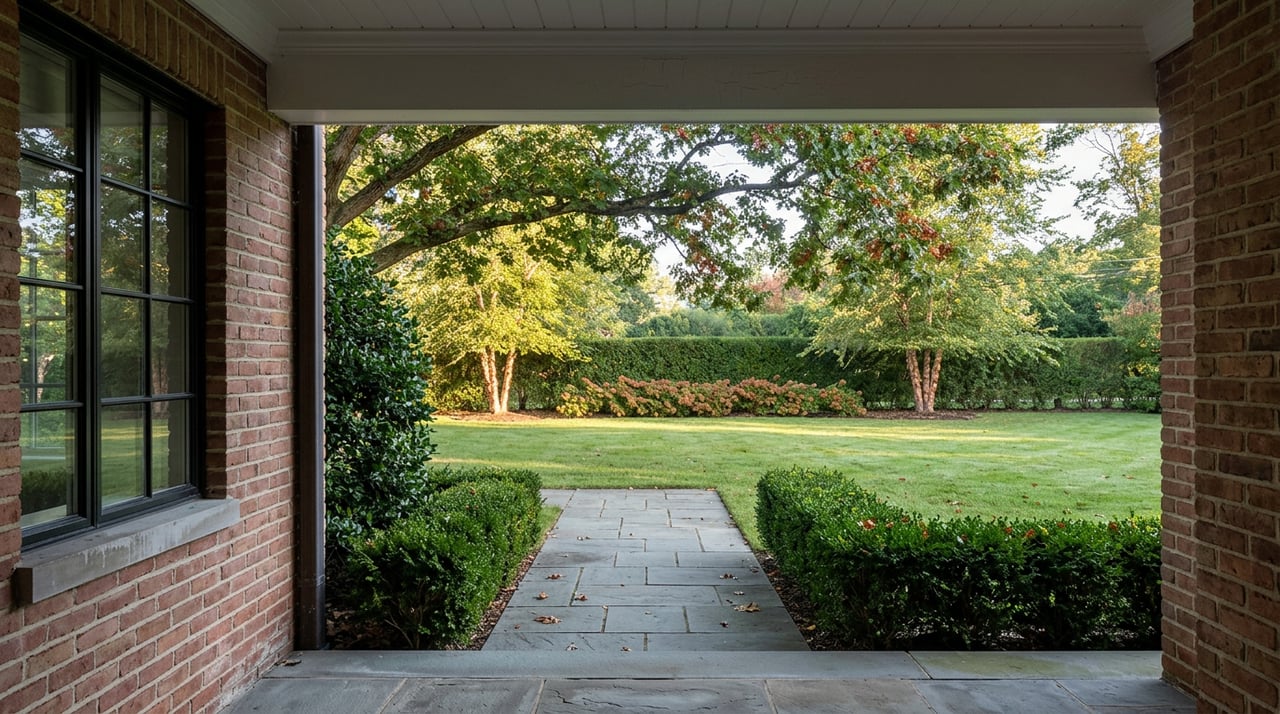
- Stage a small porch or patio seating vignette to suggest usable outdoor living, which matters on tighter lots.
Make small cottages feel bigger
Many Homewood homes are cozy by design. The key is breathing room.
- Declutter and depersonalize first. Pack away most family photos and collections. Aim to remove 40% to 60% of small accessories so rooms feel larger (staging cost and prep basics).
- Edit furniture for flow. If a large sectional blocks a path, replace it with a slimmer sofa and a small round table to open sightlines.
- Use mirrors and layered lighting. Replace heavy drapes with light panels to maximize daylight.
- In compact kitchens, keep counters clear, match hardware finishes, and choose one clean focal vignette. Photographs will read brighter and more spacious.
Preserve charm, update smart
If your home has original hardwoods, built-ins, or a period mantel, preserve and highlight those elements. The Secretary of the Interior’s Standards encourage repair over replacement for character-defining features (NPS rehabilitation guidance).
- Clean and repair visible historic elements rather than replacing them.
- Choose reversible updates, like neutral wall paint with natural wood trim left intact if it is in good shape.
- Select lighting and hardware with a classic silhouette that complements the era.
- Keep documentation of any changes and clarify non-original elements in your listing details.
Photos that sell your story
Because buyers start online, plan your photo shoot only after staging and a thorough clean. Provide your photographer with a focused shot list: entry, living room, kitchen with clear counters, primary bedroom, baths, exterior, and one or two wide-angle images that show room flow. Staged photos that accurately represent the space help increase showings (why presentation matters).
Virtual vs. physical staging
Virtual staging can be a cost-efficient way to show furniture layout in vacant rooms. Use it carefully and transparently. Always label images as virtually staged and retain the original, unstaged photo for MLS and marketing. MLS rules vary by market, so confirm requirements before you publish (virtual staging compliance tips).
Budget, timeline, and ROI
National data shows a median spend around $1,500 when professional stagers are used, with typical projects ranging from about $631 to $2,312 and higher for vacant-house packages with rental furniture. Many rental contracts require a minimum term, often monthly, so plan accordingly (staging budgets and ranges). In NAR’s 2025 study, many agents reported that staging can reduce days on market and boost offers, with a portion citing a 1% to 10% increase in offer value for staged homes (NAR 2025 staging profile). Results vary by price point and competition, so align your spend with local comps.
Most sellers need 2 to 6 weeks to prepare, including decluttering, repairs, paint touch-ups, and the staging install. Book your photographer immediately after staging to capture the home at its best.
Quick prep checklist for Homewood sellers
- Confirm local comps with your agent. City averages and portal medians differ by method. Use your street and neighborhood comps to set expectations. For a current snapshot, review the Redfin Homewood market page, then verify with MLS.
- Choose staging depth by price band. At minimum, invest in the living room, primary bedroom, and kitchen since they influence buyers most (NAR 2025 staging priorities).
- Prep curb appeal first. Fresh door paint, clean lighting, and simple planters create instant impact (curb appeal basics).
- Schedule professional photography after staging. Share a concise shot list with your photographer so online browsers get a clear story.
- If using virtual staging, label images clearly and keep originals. Confirm local MLS rules before you upload (virtual staging rules overview).
Work with a design-minded local advisor
Staging and styling are powerful, but choosing what to do, where to spend, and how to present requires local judgment. You deserve guidance that balances Homewood’s historic charm with buyer-ready polish, plus an online presence that drives showings. If you want a tailored plan, premium photography, and a clear, step-by-step process, reach out to Jake Callahan. Request a Free Home Valuation & Consultation, and get a room-by-room strategy designed for your price point and neighborhood.
FAQs
What rooms should I stage first for a Homewood sale?
- Focus on the living room, primary bedroom, and kitchen, which NAR identifies as most influential for buyers.
How much does professional staging typically cost?
- National guidance shows a median spend around $1,500 when you hire a pro, with common projects ranging from about $631 to $2,312, and more for full vacant-house packages.
Should I paint original wood trim before listing?
- If the trim is in good condition, consider keeping it and painting walls neutral; preserve character-defining features when possible per national preservation guidance.
Is virtual staging allowed, and how do I stay compliant?
- Yes, but label images clearly as virtually staged and keep originals; MLS policies vary, so confirm local rules before publishing.
How early should I start staging before photos?
- Plan for 2 to 6 weeks to declutter, complete small repairs, touch up paint, and install staging before the photo shoot.
Do buyers in Homewood care about walkability and schools?
- Yes. Local sources list walkable amenities and schools among key reasons buyers choose Homewood, so highlight proximity and everyday convenience in your marketing.