Wondering whether Crestwood North or Crestwood South is the better fit? You are not alone. These neighboring Birmingham areas sit close together, and their prices are fairly close too, but the day-to-day feel of living in each one can be very different. If you are trying to decide where to focus your home search, this guide will help you compare the homes, lots, outdoor spaces, and overall lifestyle so you can choose with more confidence. Let’s dive in.
Crestwood starts with one key divide
Crestwood is split by Crestwood Boulevard, also known as U.S. 78, into Crestwood North and Crestwood South. Both are part of the broader Crestwood community, and both benefit from strong access to downtown Birmingham.
That shared location is important, but the split also tells you a lot about how each side feels. Crestwood North has earlier roots tied to Woodlawn Heights and Woodlawn Highlands in the early 20th century. Crestwood South developed later, after World War II, from a sixty-acre subdivision assembled by Jackson Securities.
Crestwood North feels more historic
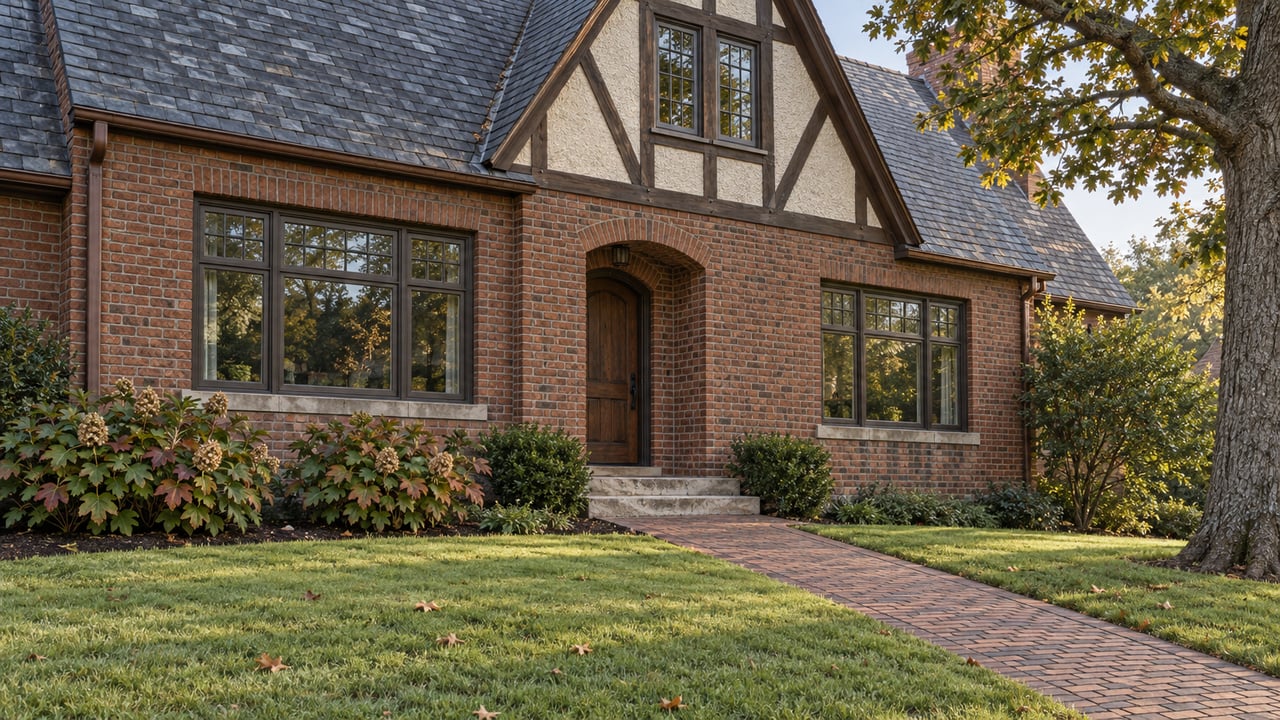
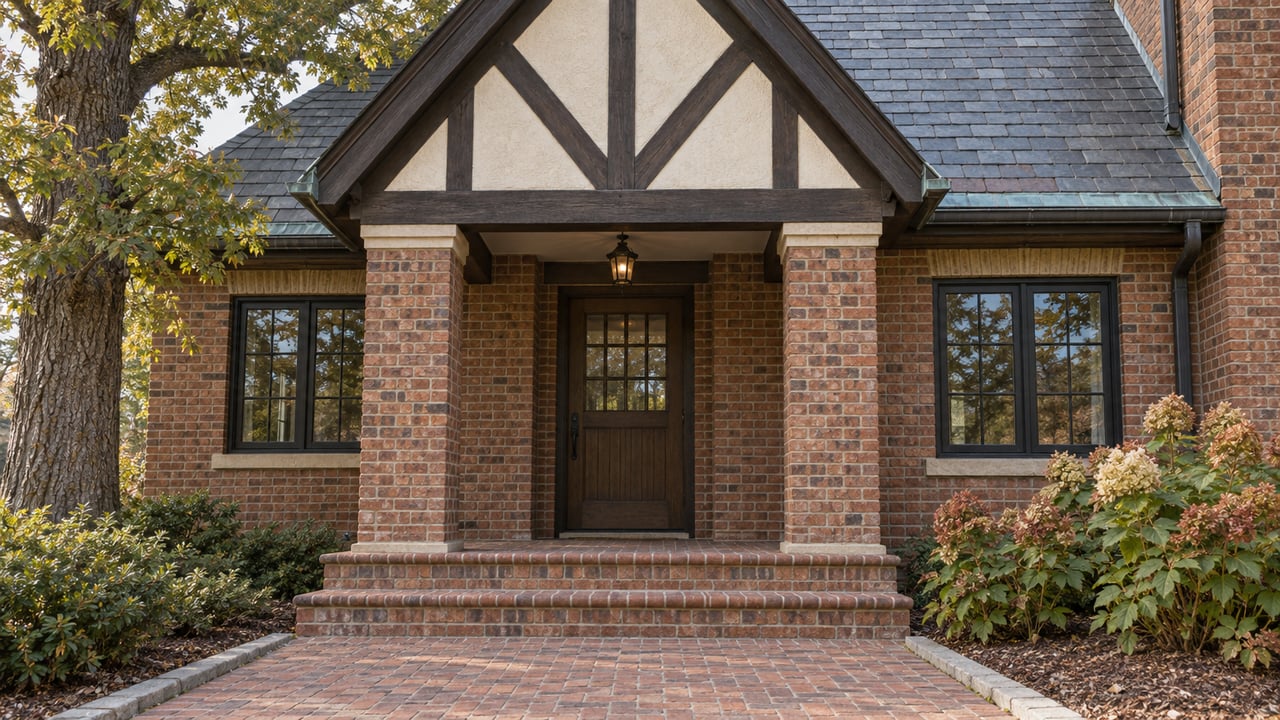
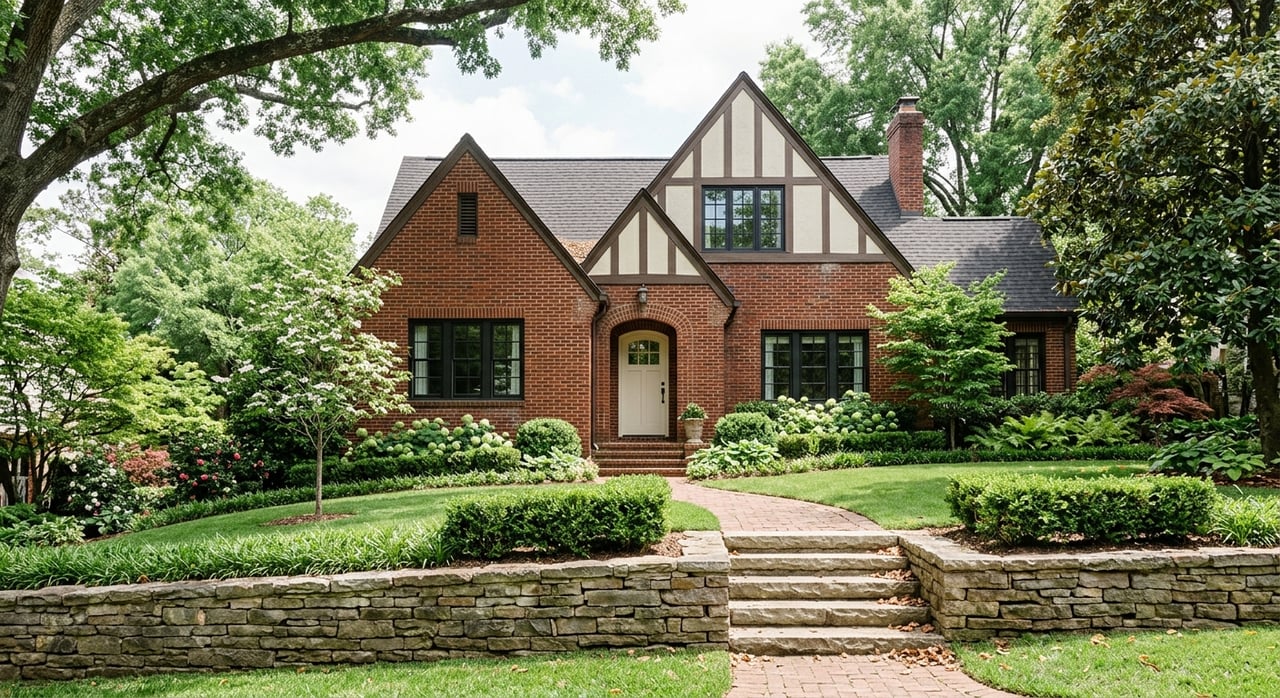
If you are drawn to older homes with established character, Crestwood North will likely stand out right away. The Woodlawn Highlands Historic District includes a large concentration of historic housing, with 556 bungalows and 11 Craftsman houses identified in the National Register form, along with Late Victorian and revival styles such as Colonial, Spanish, Tudor, Italian Renaissance, and French Renaissance.
That historic fabric is not just a small pocket. The district spans 407 acres and includes 851 contributing buildings, which gives Crestwood North a strong sense of architectural continuity.
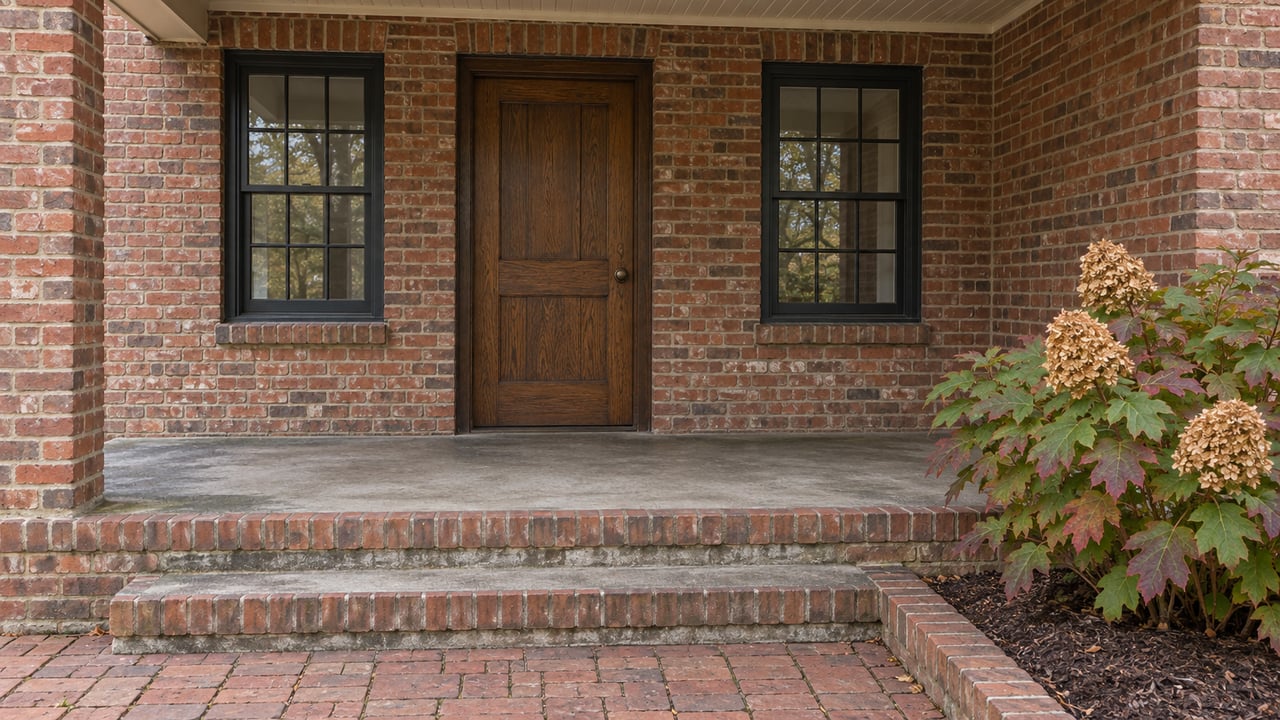
In practical terms, that means you are more likely to find 1920s bungalows, Tudors, and other period homes that reward thoughtful updates. You may also see some newer Craftsman-style infill designed to blend with the surrounding streetscape.
Crestwood South feels more postwar
Crestwood South tells a different housing story. Many homes there reflect 1950s and 1960s design, and neighborhood history notes features that were modern for the time, such as built-in dishwashers and multiple bathrooms.
Today, that often translates into ranch homes, mid-century houses, and 1.5-story brick homes. In current listing samples, garages and basements show up often, which can be a major plus if you want more storage, workshop space, or room to expand your daily living setup.
If your taste leans more mid-century or you prefer a layout that feels more postwar than historic, Crestwood South may feel like the easier match.
Lot size can shape your choice
One of the biggest differences between the two areas is the lot pattern. In current listing samples, Crestwood North commonly shows lots in roughly the 6,500 to 10,000 square-foot range, with some larger corner or extra lots mixed in.
Crestwood South generally trends larger. Many current listing samples show quarter-acre to roughly 0.4-acre parcels, plus some smaller lots near the corridor and occasional build-site opportunities.
That difference matters because your lot affects how a home lives over time. If you want a cozier lot with a classic neighborhood feel, North may suit you better. If you want more breathing room, more parking flexibility, or a yard with added possibilities, South may have the edge.
Renovation potential is not the same
This is where a design-minded comparison really helps. Crestwood North is usually the better fit if you love historic restoration or want to make updates that respect original character.
Because part of the neighborhood falls within a historic district, exterior changes can be reviewed against a preservation plan. For some buyers, that is a benefit because it helps protect the overall architectural feel. For others, it means you need to be more intentional about what changes are realistic.
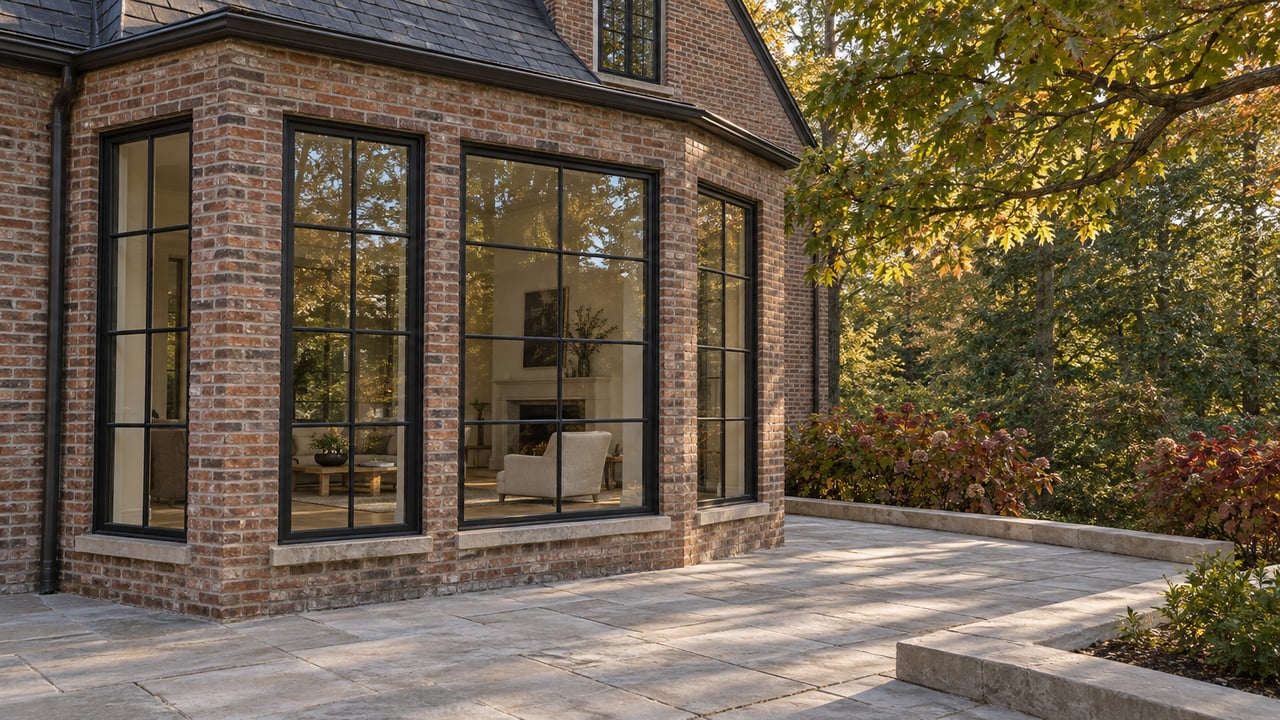
Crestwood South is generally more flexible for additions, garage or basement improvements, and even tear-down or new-build thinking. That is partly tied to its postwar parcel pattern and the redevelopment signals seen in current listings.
If you want a house that can evolve more freely with your needs, South may offer a wider runway. If you want to preserve and polish an older home with character, North is often the stronger fit.
Outdoor amenities differ by side
Both neighborhoods offer access to outdoor spaces, but they do it in different ways. Crestwood Park is a major shared amenity even though it sits in Crestwood North.
The park covers 12.11 acres and includes a football field, jogging track, tennis and pickleball courts, a swimming pool, and a playground. If you want a neighborhood anchored by a traditional park setting, that is a meaningful advantage.
Crestwood South has a different outdoor identity through the Clairmont Walking Trail. This 0.8-mile trail runs along the top of Red Mountain on Clairmont Avenue, offers downtown views, and became part of the Red Rock Trail System in 2019.
So the question is less about whether you have outdoor access and more about what kind of experience you want. North leans toward park-centered recreation and mature historic streets. South leans toward trail access, elevation, and views.
Views are a bigger story in South
If a skyline view matters to you, Crestwood South deserves a close look. Current listing descriptions point to homes on the high side of Clairmont with downtown views and homes in the foothills of Red Mountain.
Crestwood North has its own visual appeal, but it is different. Its identity is tied more to tree-lined streets, older homes, and the feel of a mature historic neighborhood than to panoramic outlooks.
That distinction can have a real impact on how a home feels every day. Some buyers want a streetscape with architectural charm. Others want elevation and sightlines. Neither is better, but one may fit your lifestyle more naturally.
Price is not the main deciding factor
If you assume one side is far more expensive than the other, the current numbers suggest otherwise. Redfin shows a median sale price of $386,000 for Crestwood North in February 2026 and $392,500 for Crestwood South in March 2026.
That is a small gap, which means your decision will usually come down to home style, lot size, and setting more than price alone. In other words, this is often a fit question, not just a budget question.
Active listing snapshots also suggest some variation in opportunity. Current samples in North range from the high $200,000s to just over $500,000, while South samples run from the high $200,000s into the high $500,000s.
Because those are live listing snapshots, they are best viewed as a current market look rather than a formal study. Still, they reinforce the idea that both neighborhoods can offer options across a fairly similar broad range.
Shopping and access are strong on both sides
One reason Crestwood stays appealing is convenience. The city’s Southern Area plan notes the area’s access to downtown Birmingham and major city amenities.
On the North side, Crestwood Village adds a neighborhood-scale retail node with places like The Filling Station, Thank You Books, Crestwood Pharmacy & Soda Fountain, and Sojourns. That mix supports a local, close-to-home rhythm.
On the South side, The Shoppes of Crestwood and the larger Crestwood Festival Center create a broader shopping and entertainment mix. If you want more retail variety nearby, that may tilt the balance.
Which buyers often prefer North
Crestwood North is often a strong fit if you want:
- Early-20th-century architecture
- A historic neighborhood feel
- Bungalows, Craftsman influence, or period details
- A smaller-lot pattern
- Renovation upside tied to character homes
- A park-centered outdoor amenity nearby
This side can especially appeal to first-time buyers, design-focused buyers, and anyone who values original style and established streetscape character.
Which buyers often prefer South
Crestwood South is often a strong fit if you want:
- Postwar layouts and mid-century influence
- Larger lots
- More frequent garage and basement options
- Stronger potential for views
- Access to the Clairmont Walking Trail
- More flexibility for additions or larger-scale updates
This side often suits buyers who want a little more space, a hill-and-view setting, or a home with a more adaptable footprint.
How to choose the right side for you
If you are torn between the two, start with the house features you care about most. Think about whether you want historic charm or postwar practicality, a smaller lot or a larger parcel, a park-centered setting or a trail-and-view setting.
Then think one step ahead. Ask yourself how you want the home to work not just today, but a few years from now. If renovation plans are part of your search, the difference between preservation sensitivity and greater flexibility can be a major factor.
Finally, compare individual homes instead of assuming every block will feel the same. In both Crestwood North and Crestwood South, the best choice often comes down to the specific property, its lot, and how closely it matches your goals.
If you want help weighing character, renovation potential, and resale considerations in Crestwood, Jake Callahan can help you narrow the options and move forward with a clear plan.
FAQs
What is the main difference between Crestwood North and Crestwood South?
- Crestwood North is generally the more historic side with bungalows, Craftsman influence, and tighter lots, while Crestwood South is generally the more postwar side with larger parcels, more garage and basement inventory, and stronger view potential.
Are home prices similar in Crestwood North and Crestwood South?
- Yes. Current reported median sale prices are close, with Crestwood North at $386,000 in February 2026 and Crestwood South at $392,500 in March 2026.
Which Crestwood side is better for historic homes?
- Crestwood North is usually the better fit for buyers who want historic homes, period details, and a neighborhood with substantial historic housing stock.
Which Crestwood side offers larger lots?
- Crestwood South generally shows larger lot patterns in current listing samples, often around a quarter acre to roughly 0.4 acre.
Does Crestwood South have better views than Crestwood North?
- In general, yes. Crestwood South is more closely tied to homes with downtown views and foothill settings near Red Mountain, while Crestwood North is known more for its park access and mature historic streetscape.
What outdoor amenities are available in Crestwood?
- Crestwood Park in Crestwood North offers a football field, jogging track, tennis and pickleball courts, a swimming pool, and a playground, while Crestwood South features access to the 0.8-mile Clairmont Walking Trail with downtown views.