Trying to choose between Homewood and Vestavia Hills? You are not alone. Many Birmingham-area buyers end up weighing these two popular communities because both offer strong demand, established housing, and convenient access to the metro. The right fit usually comes down to how you want to live day to day, what kind of home you want, and how central you want to be. Let’s dive in.
Homewood vs Vestavia at a Glance
If you want the shortest summary, here it is: Homewood usually stands out for centrality and walkability, while Vestavia Hills often appeals to buyers who prefer a larger, more spread-out suburban layout.
Homewood sits just outside Birmingham’s city limits, which often gives it an edge for buyers who want a more central feel for commuting into Birmingham. Vestavia Hills stretches along U.S. 31, I-65, and U.S. 280, so it tends to feel more corridor-based and suburban in layout.
Both markets are competitive and desirable. Current data in the research report shows Homewood with a median sale price of $572,500 and Vestavia Hills at $645,000. Homewood is also moving faster, with a median of 22 days on market compared with 55 days in Vestavia Hills.
Commute and Central Location
For many buyers, location is the first deciding factor. If you want to feel closer to Birmingham’s core, Homewood often has the advantage because of its position just outside the city limits.
That central placement can shape your routine in practical ways. It may mean a shorter-feeling trip to work, easier access to Birmingham destinations, and a more connected experience if you spend a lot of time in and around the city.
Vestavia Hills is still well connected, but it is more spread out across major road corridors. In daily life, that can feel more suburban and less centralized, especially if you are comparing it directly with Homewood.
Walkability and Daily Lifestyle
Walkability is one of the clearest differences between these two markets. Homewood has a citywide Walk Score of 42, while Vestavia Hills has a citywide Walk Score of 22.
That does not mean every part of Homewood is walkable or every part of Vestavia is not. It does mean Homewood has more of a walkable core, with some inner locations scoring much higher, including Central Avenue at 90 and 18th Street South at 86.
If you want the option to walk to some errands, restaurants, or neighborhood spots, Homewood may feel more aligned with your goals. If you are comfortable driving most places and prefer a more spread-out routine, Vestavia Hills may feel more natural.
Home Styles and Housing Character
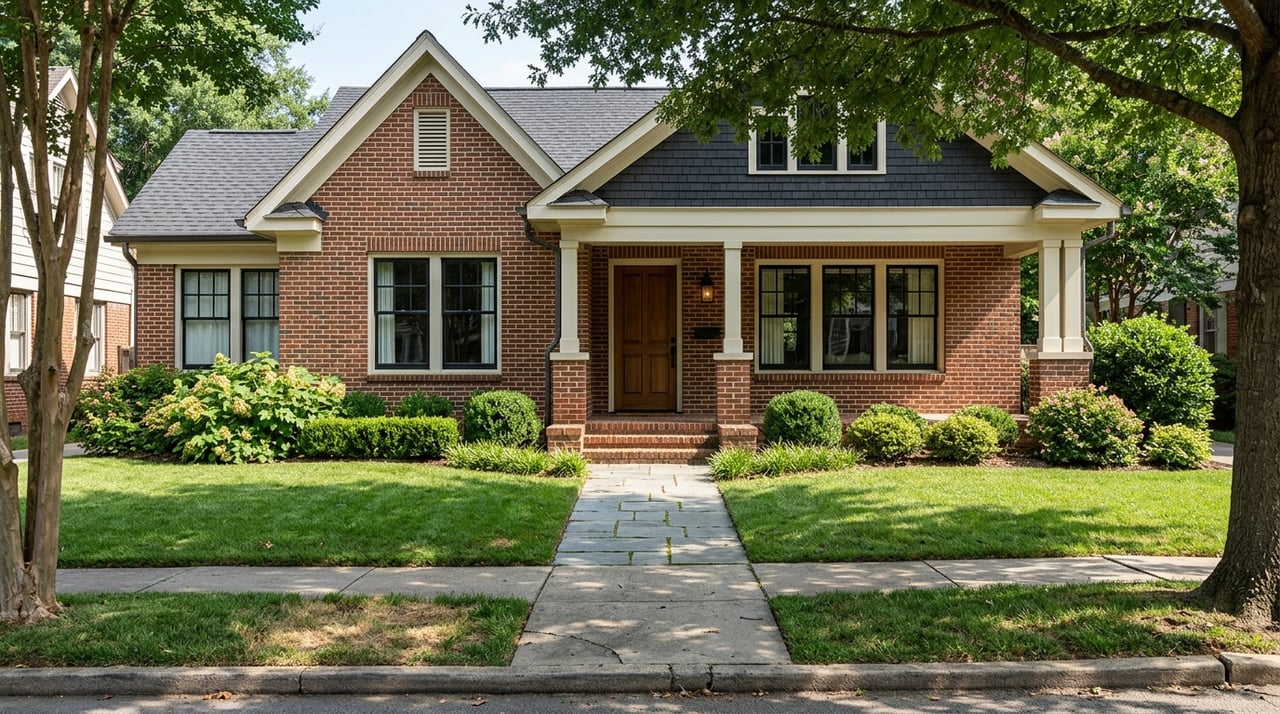
The housing experience also feels different between the two cities. Homewood is rooted in older communities such as Rosedale, Grove Park, Edgewood, Hollywood, and Oak Grove, and the city’s history emphasizes preservation of character.
In practical terms, that often means you will see older homes, renovated properties, and a stronger sense of architectural variety. The research report notes historic housing types in areas like Rosedale, including wood shotguns, bungalows, and other older homes.
Vestavia Hills developed more through annexations and corridor growth along Montgomery Highway and other major routes. That tends to create a broader suburban feel, with a wide spread of single-family options across a larger footprint.
Price Ranges and Market Pace
Price matters, but so does what you get within a price band. Homewood’s recent sales in the research report range from a $359,000 condo at Broadway Park to a $1.65 million single-family home, with other closings around $440,000, $655,000, and $799,000.
Vestavia Hills also shows a broad range, with sampled sales from about $309,000 to $785,000, alongside a city median of $645,000. That tells you both markets can serve different budgets, but the median price currently runs higher in Vestavia Hills.
The pace is also worth noting. Homewood’s median days on market of 22 suggests buyers often need to move quickly there. Vestavia Hills, at 55 median days on market, may offer a bit more breathing room in some situations.
Schools by Structure and Scale
For buyers comparing city school systems, the main difference in the research report is not a simple better-or-worse story. It is a question of scale and structure.
Homewood City Schools is a compact district with 5 schools total: 3 elementary schools, 1 middle school, and 1 high school, serving about 4,200 K-12 students. Homewood High School says it serves about 1,300 students and offers 20 AP classes and 8 honors classes.
Vestavia Hills City Schools is larger, with 9 schools and 6,825 enrolled students. Its handbook lists 5 elementary schools, 2 middle schools, a 9th-grade campus, and a separate 10-12 high school, and the district has a 97 Education Report Card score.
If you prefer a smaller, more compact district footprint, Homewood may appeal to you. If you want a larger district with more campuses across a broader city footprint, Vestavia Hills may be a stronger fit.
Which Buyers Often Prefer Homewood
Homewood often attracts buyers who want a denser, more connected daily routine. If your priorities include being closer to Birmingham, having some walkable pockets nearby, and finding homes with character, Homewood can be a compelling match.
It may also appeal to buyers who appreciate older or renovated homes and want a neighborhood-centered feel. From a design perspective, Homewood can offer the kind of established housing stock where thoughtful updates and renovation potential really matter.
For buyers who care about both lifestyle and resale, this is where local guidance becomes important. In a market with character homes and fast-moving inventory, understanding condition, presentation, and improvement potential can help you make a smarter decision.
Which Buyers Often Prefer Vestavia Hills
Vestavia Hills often fits buyers who want a more suburban rhythm. If you are comfortable with a car-oriented routine and want a larger city footprint with more campuses and a broader spread of housing options, Vestavia can make a lot of sense.
Some buyers also prefer the feel of a more corridor-based layout, especially if they want access to different parts of the city through major roads like U.S. 31, I-65, and U.S. 280. The larger district structure may also be a deciding factor for households focused on school system scale.
In short, Vestavia Hills is often less about walkability and more about space, spread, and suburban convenience. That difference is not small. It shapes how your day actually feels once you move in.
How to Choose Between Them
If you are still torn, simplify the decision by focusing on your non-negotiables. Ask yourself which matters more: a more central and walkable lifestyle, or a broader suburban layout with a larger district footprint.
Here are a few helpful questions to guide your decision:
- Do you want to be as close to Birmingham as possible?
- Would you use walkable amenities during a normal week?
- Do you prefer older homes with character or a more suburban housing feel?
- Are you drawn to a smaller district footprint or a larger one?
- Do you need to act fast in a tighter market, or would you rather have more time to compare options?
When buyers get stuck, it is often because they are comparing price alone. In reality, the smarter comparison is lifestyle, housing style, commute pattern, and how each city supports your routine.
The Bottom Line on Homewood vs Vestavia
Both Homewood and Vestavia Hills are strong choices in the Birmingham area. Both are established, competitive markets that appeal to move-up buyers and households looking for long-term value.
If you want a more central location, stronger walkability, and more character-driven housing, Homewood often comes out ahead. If you want a more suburban feel, a larger district footprint, and a broader city layout, Vestavia Hills may be the better fit.
The best move is the one that matches how you actually live. If you want help weighing resale, renovation upside, commute priorities, or neighborhood fit, Jake Callahan can help you compare your options with a local, design-informed perspective.
FAQs
What is the main difference between Homewood and Vestavia Hills?
- Homewood is generally more central and has stronger walkability, while Vestavia Hills is generally more spread out and suburban in feel.
How do Homewood and Vestavia Hills compare on home prices?
- Based on the research report, Homewood’s median sale price is $572,500 and Vestavia Hills’ median sale price is $645,000.
Is Homewood or Vestavia Hills more walkable?
- Homewood is more walkable overall, with a citywide Walk Score of 42 compared with Vestavia Hills at 22.
How do Homewood and Vestavia Hills compare for commuting to Birmingham?
- Homewood often feels more central for a Birmingham commute because it sits just outside the city limits, while Vestavia Hills is more corridor-based along major roads.
How are the school systems structured in Homewood and Vestavia Hills?
- Homewood City Schools is a smaller district with 5 schools, while Vestavia Hills City Schools is larger with 9 schools and a broader district footprint.
Which city fits a more suburban daily routine, Homewood or Vestavia Hills?
- Vestavia Hills usually fits a more suburban, car-oriented routine, while Homewood tends to suit buyers who want a denser and more neighborhood-centered day-to-day experience.