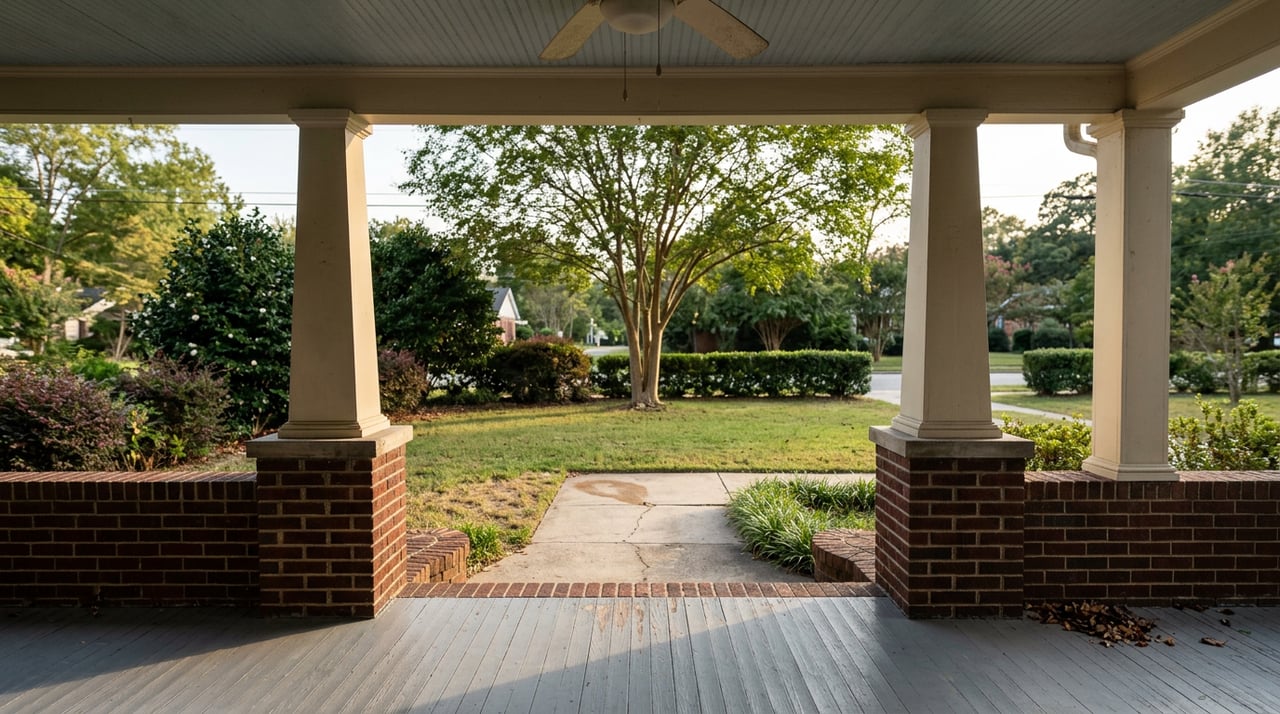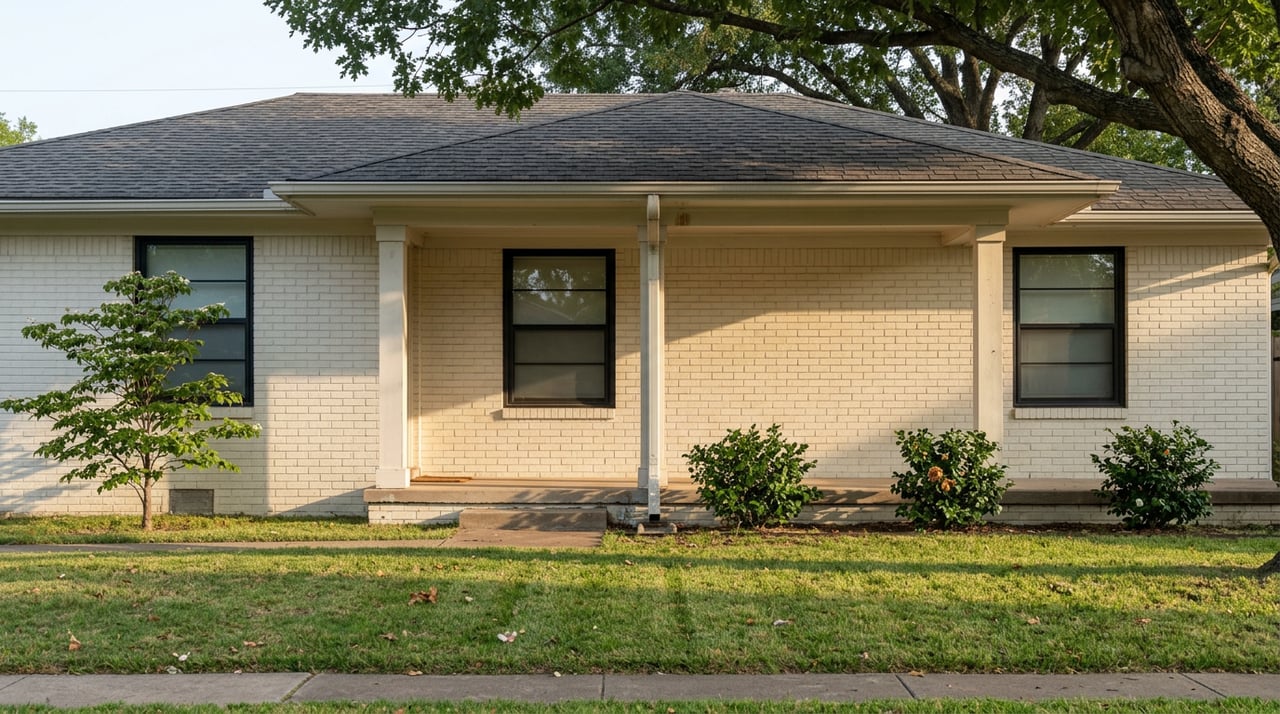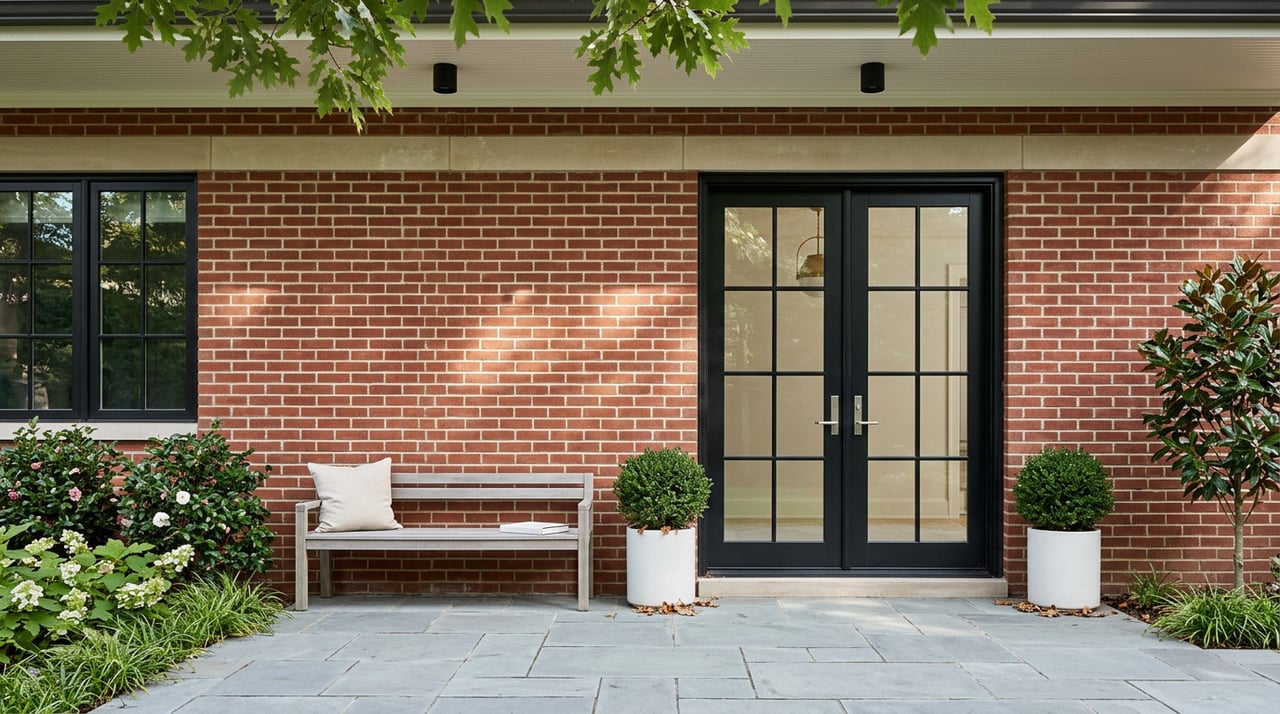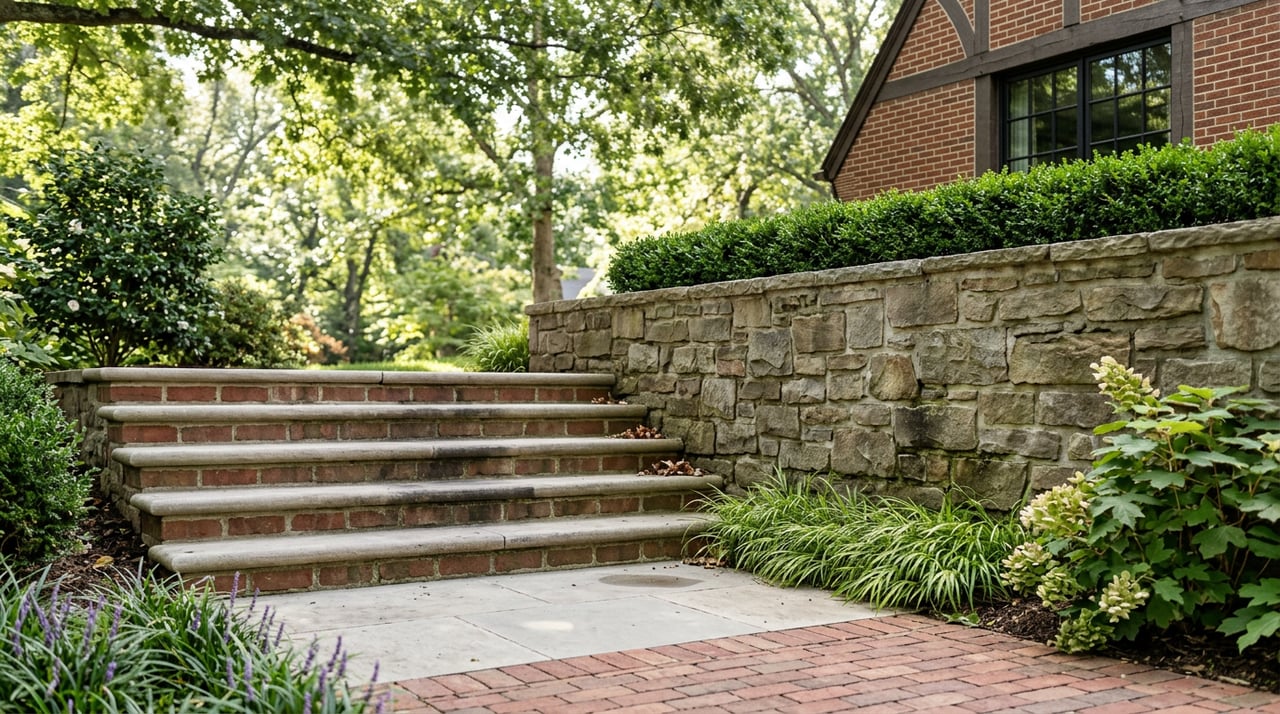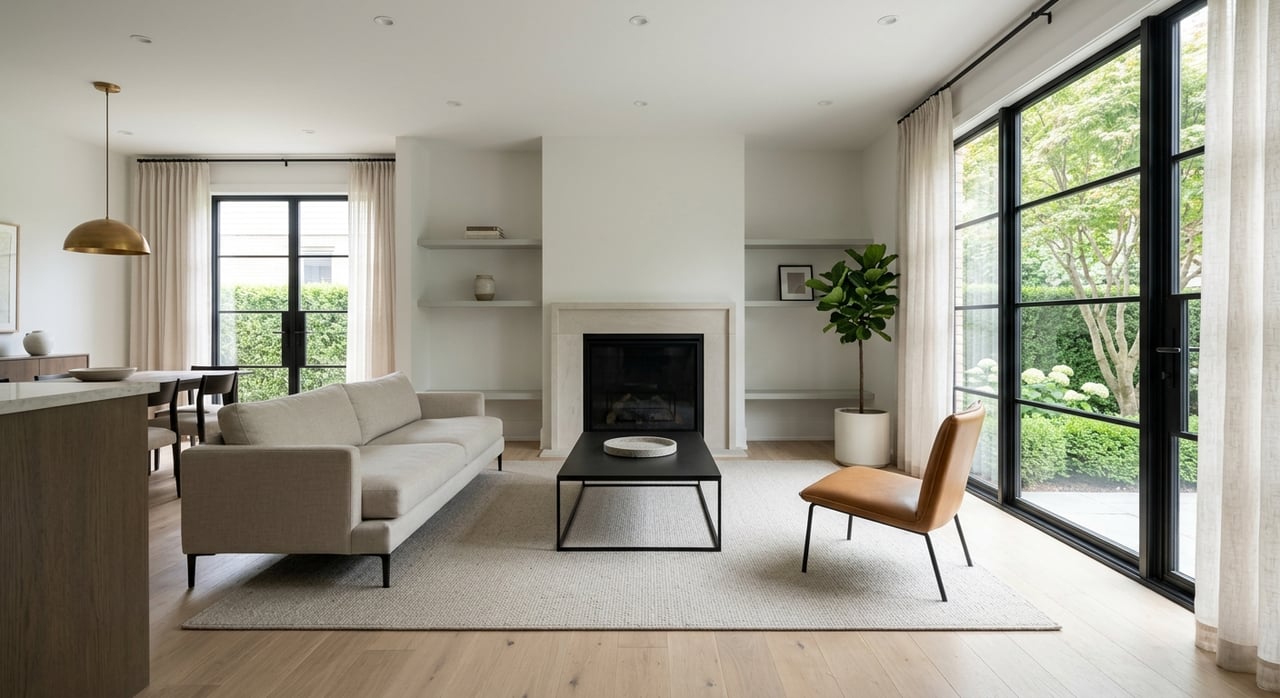
Thinking about selling in Homewood and wondering how to do it right the first time? In a market where homes can go pending quickly and sale prices can track close to asking, the details matter. If you want a smoother sale, stronger presentation, and fewer surprises, it helps to follow a clear plan from pricing to closing. Let’s walk through it step by step.
Start With Pricing Strategy
Your sale starts before the listing goes live. In Homewood, major housing trackers show a fast-moving market, with Zillow estimating an average home value of $578,963 and homes going pending in about 6 days, while Realtor.com has described the area as a seller’s market with homes selling at about 100% of list price in June 2026. Those numbers are useful for context, but they are not a substitute for a local comparative market analysis.
A local pricing review helps you position your home against recent sales, active competition, and current buyer expectations in Homewood. This is especially important in a fast market, because the first week can shape the entire outcome. Price too high and you may lose momentum. Price strategically and you give yourself a better chance at strong interest early.
Build Your Selling Plan Early
A good selling plan includes more than price. You should also gather key records, think through timing, and identify any work that may improve how your home shows. When you prepare early, you reduce last-minute stress and make negotiations easier.
Helpful items to gather can include:
- Recent utility or service records
- Receipts for repairs or updates
- Permit records for major work
- Information on roof, HVAC, plumbing, or electrical updates
- A rough moving timeline
If you work with a licensed Alabama real estate agent, you should also expect clear paperwork early in the process. Alabama requires the Real Estate Brokerage Services Disclosure form to be provided as soon as reasonably possible and before confidential information is shared with others. In single-family residential transactions, licensees must also provide a complete estimated closing statement each time a written offer or counteroffer is presented or prepared.
Understand Alabama’s Seller Framework
Selling in Alabama has a few important differences from some other states. The Alabama Real Estate Commission says you are not required to use a broker to sell a home, though it recommends consulting a broker or attorney if the process is unfamiliar. That means you have options, but many sellers still want professional guidance for pricing, marketing, and negotiations.
It also helps to understand that Alabama courts apply caveat emptor, or buyer beware, to the sale of used homes. In practical terms, that means you should focus on accurate pricing, honest communication, and organized records rather than assuming there is a broad disclosure system that works the same way it does elsewhere. If a buyer asks direct questions, answer truthfully and avoid concealment.
Alabama license law also matters here. A licensee may not make a material misrepresentation or fail to disclose a latent structural defect or another defect known to the licensee. That is one reason good communication and documentation matter from day one.
Focus on Presentation First
If you want to improve your result without jumping straight into a major remodel, start with the visible basics. Presentation can affect both buyer interest and time on market, and that matters in Homewood where early impressions carry weight.
According to the National Association of Realtors 2025 Profile of Home Staging, 29% of agents said staging increased the dollar value offered by 1% to 10%. The same report found that 49% said staging reduced time on market, and 83% of buyer’s agents said staging made it easier for buyers to visualize a property as their future home.
That does not mean your house needs to look like a magazine spread. It does mean your home should feel clean, bright, cared for, and easy to understand the moment buyers see it online or in person.
Tackle High-Impact Prep Work
Before listing, focus on updates that buyers notice right away. In many cases, smaller improvements create more impact than expensive projects that are hard to finish before market.
Start with these priorities:
- Deep cleaning
- Decluttering shelves, counters, and closets
- Paint touch-ups in worn areas
- Replacing burnt-out or dim light bulbs
- Simple landscaping and yard cleanup
- Fixing obvious deferred-maintenance issues
This kind of prep can be especially helpful if buyers may compare your home to more recently updated listings. Strong presentation can narrow the visual gap, even if you are not doing a full renovation.
Check Permits Before Repairs
If you plan to repair, remodel, or advertise recent upgrades, make sure the paperwork matches the work. In Homewood, the Inspections & Permits department handles building permits, code enforcement, Certificates of Occupancy, and inspections for structural, plumbing, mechanical, electrical, and gas components.
The city also states that any development in a Special Flood Hazard Area requires a Floodplain Development Permit. Before you market a renovated kitchen, addition, roof replacement, or major system update, it is smart to verify permit history and keep records organized. That helps support buyer questions later and keeps your listing information accurate.
Launch Strong From Day One
When your listing goes live, the first few days matter. In a market where homes can move quickly, you want your launch to create immediate interest, not confusion or hesitation.
A strong launch usually includes professional photography, thoughtful room-by-room presentation, and a showing plan that keeps access easy. Jake Callahan’s brand is built around design-forward marketing and premium listing presentation, and that approach fits Homewood well. If your home is presented clearly and attractively from the start, buyers can connect with it faster.
Your online debut should help buyers understand the flow, condition, and standout features of the property. That means clean visuals, concise descriptions, and a setup that highlights the home’s best first impression.
Stay Responsive During Showings
Once buyers begin touring the property, communication becomes a big part of the job. You should know how showings are going, what buyers are noticing, and whether the market is confirming your price and positioning.
Alabama law requires licensees to present offers, counteroffers, and addenda to the consumer. That supports a process where you receive prompt updates, timely feedback, and written next steps when conditions shift. In a quick-moving market, responsiveness helps you make better decisions while interest is highest.
During this stage, it helps to keep the home as show-ready as possible. Flexible access can support more activity, and cleaner logistics often make the experience less stressful for both you and buyers.
Review Offers Beyond Price Alone
When offers arrive, the highest number is not always the best outcome. A strong offer should be evaluated as a full package, not just a headline price.
Key terms to compare include:
- Financing strength
- Appraisal risk
- Inspection terms
- Requested repair credits
- Closing timeline
- Net proceeds
In Alabama, a complete estimated closing statement must be provided with each written offer or counteroffer in single-family residential transactions. That gives you a clearer picture of what each offer may mean financially, not just what it says on the first page.
Prepare for Closing Costs
As you move toward closing, it helps to understand that seller costs go beyond agent compensation and any negotiated repairs or credits. In Jefferson County, deed tax and recording fees are part of the normal closing picture.
The Jefferson County Probate Court lists deed tax at $.50 per $500 or fraction thereof, plus a recording fee. You do not need to memorize the formula, but you should expect deed-recording charges to be part of the final numbers.
If you are a nonresident of Alabama, there may also be state withholding. The Alabama Department of Revenue says sales or transfers of real property by nonresidents can trigger withholding at 3% or 4% of the purchase price, while Alabama residents do not complete the nonresident withholding forms for their own sale.
Finish With Clean Records
After closing, keep your final documents in one place. That includes your settlement statement, tax records, repair receipts, and move-out confirmations. Good records can help with future tax reporting and make it easier to answer any follow-up questions.
If your home had work completed in a floodplain or involved permitted improvements, keep those city records too. Once the deed is recorded through the probate process, your sale is complete, but your paperwork should still stay organized.
Selling in Homewood can move quickly, but a fast market does not replace a smart plan. If you want help with pricing, design-focused prep, polished marketing, and clear communication from list date to closing, Jake Callahan is ready to help.
FAQs
Do I need a real estate broker to sell a home in Homewood?
- No. Alabama does not require you to use a broker, though the Alabama Real Estate Commission recommends consulting a broker or attorney if the process is unfamiliar.
Does Alabama require a broad seller disclosure form for used homes?
- Alabama follows caveat emptor for existing homes, so sellers should focus on honest answers to direct questions and keep records about known issues and completed work.
How important is staging when selling a home in Homewood?
- Staging can be very helpful. NAR’s 2025 staging report found that staging can support stronger offers, reduce time on market, and help buyers visualize the home more easily.
What closing costs should Homewood sellers expect?
- Seller closing costs can include agent fees, agreed repair credits, Jefferson County deed tax, recording fees, and possible Alabama nonresident withholding if the seller is not an Alabama resident.
Should I check permits before listing a renovated Homewood home?
- Yes. If you have completed major repairs or upgrades, it is smart to verify permit history and keep records from Homewood’s Inspections & Permits department organized for buyer questions.