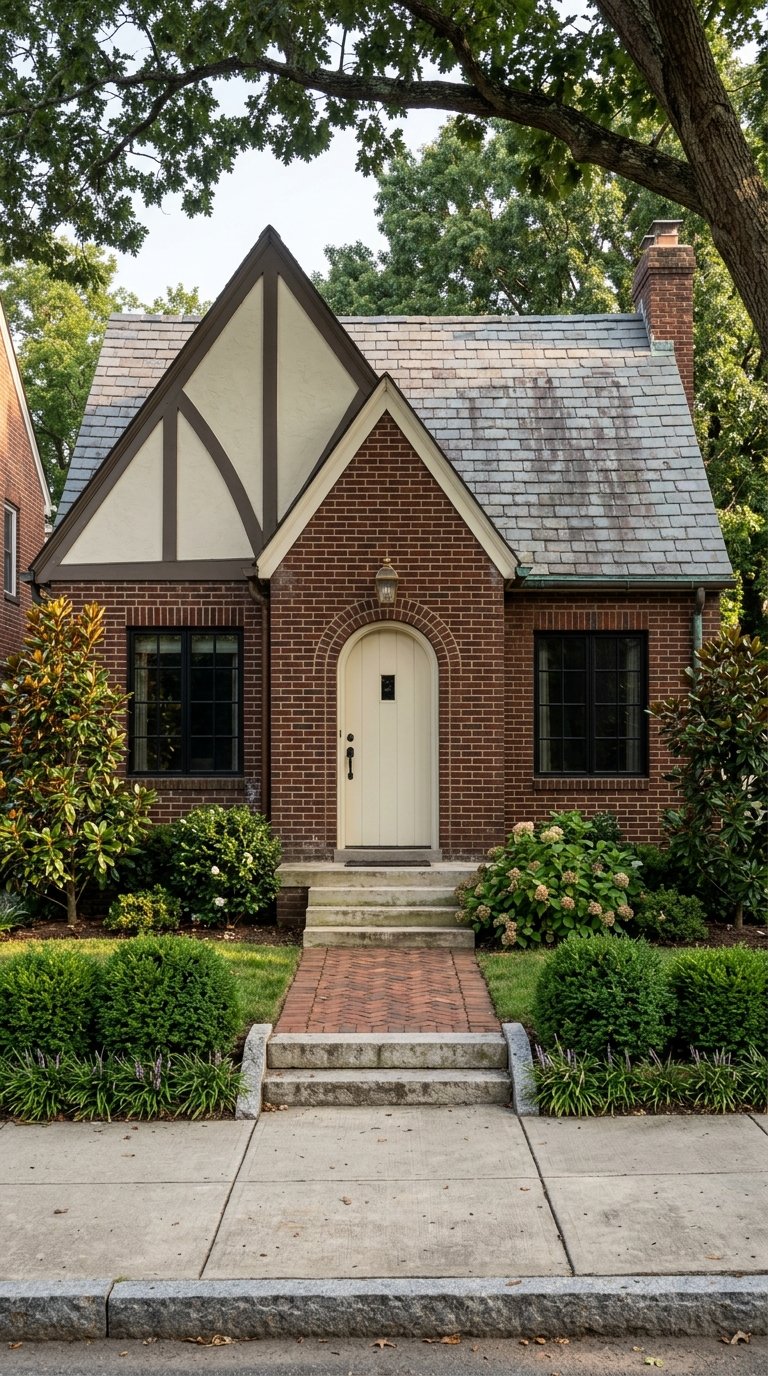
Thinking about a historic home in Birmingham? The charm is easy to love, but the day-to-day reality can look very different from one core neighborhood to the next. If you want character, walkability, parks, and architecture with a real sense of place, it helps to know how these areas actually live. Let’s dive in.
Why Birmingham’s historic core stands out
Birmingham’s historic-home market is not one single style or lifestyle. In the city’s core neighborhoods, you will find everything from bungalow-lined streets and apartment buildings to large revival homes on scenic hillsides.
That variety is part of the appeal. It also means your best fit depends on how you want to live, how much exterior upkeep you can handle, and whether you are comfortable with local preservation review for certain projects.
Birmingham’s Urban Design division administers 44 historic districts and maintains preservation and design review tools that affect what owners can do with some historic properties. For buyers and sellers, that makes local knowledge especially important.
Core neighborhoods to know
Forest Park
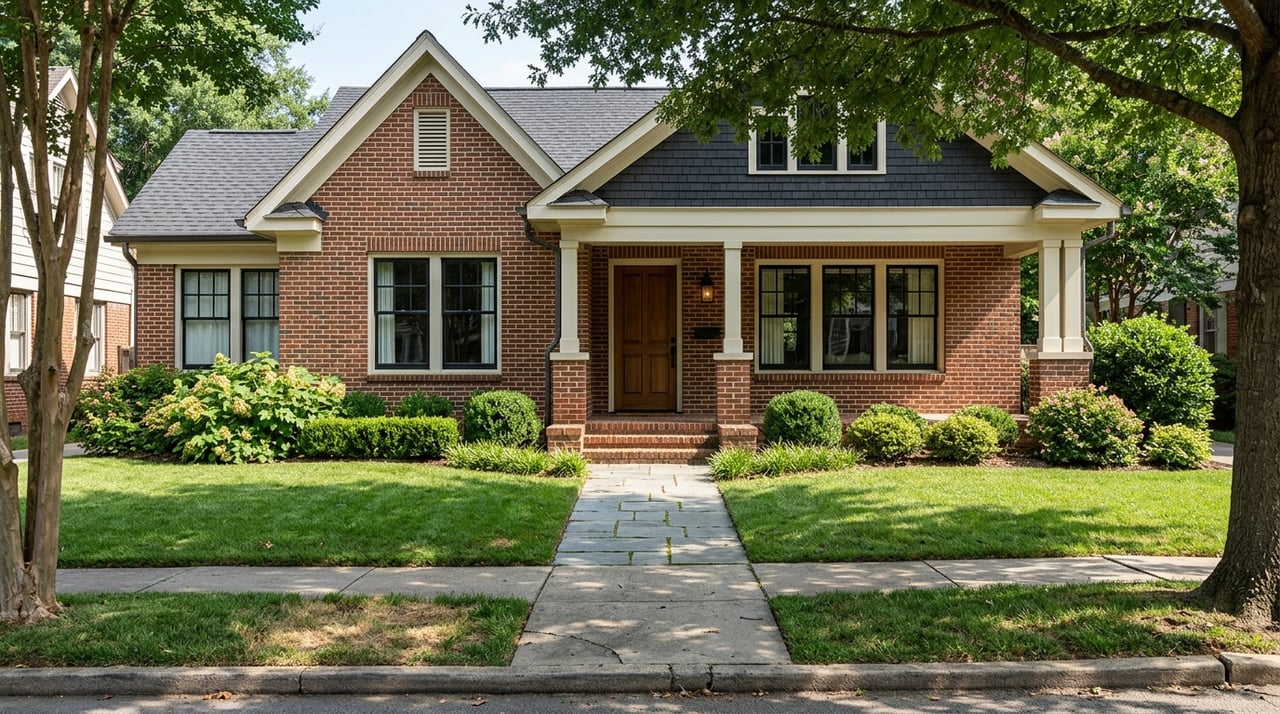
Forest Park is one of Birmingham’s signature historic districts. The city describes it as about 231 acres of rolling hills and shaded streets with stately mansions, one-story bungalows, and Simplicity Houses.
The feel here is established, residential, and design-forward. Its curving streets and varied topography create a setting that feels tucked away while still staying close to the city.
Highland Park
Highland Park offers one of the most urban historic lifestyles in Birmingham. It sits a few miles southeast of downtown and has more than 6,000 residents, five National Historic Districts, sidewalks throughout, and three parks within the neighborhood.
If you like the idea of walking to coffee, green space, restaurants, theaters, or nearby healthcare facilities, Highland Park often checks those boxes. It blends historic housing with a daily rhythm that feels connected and convenient.
Five Points South
Five Points South is one of the clearest examples of mixed-use historic living in Birmingham. Founded in 1893, it combines historically significant architecture with landmark houses, churches, apartments, commercial buildings, and a very active dining scene.
This is the strongest fit if you want a true live-near-everything environment. With more than 40 culinary destinations and 30 retailers in the district, everyday life here can feel more urban than in Birmingham’s quieter historic areas.
Avondale and nearby Crestwood
Avondale brings a park-centered, creative energy to Birmingham’s historic core. Avondale Park serves as a 40-acre centerpiece, and the surrounding historic fabric includes a broad mix of home styles and intact streetscapes.
The lifestyle here leans toward neighborhood parks, local dining, live music, and a more entertainment-driven feel. It can appeal to buyers who want historic character without the same density as Five Points South.
Redmont Park and Red Mountain Suburbs
Redmont and the nearby Red Mountain hillsides offer a very different kind of historic living. The city describes this area as an automobile-suburb pattern with large lots, scenic overlooks, curving cul-de-sacs, and residential architecture from 1911 to 1935.
If you are drawn to grand architecture, elevated views, and a more lot-driven setting, this part of Birmingham stands out. It is less walkable overall, but it offers some of the city’s most dramatic historic residential streetscapes.
What historic homes look like here
One of the biggest surprises for buyers is how much the architecture changes from neighborhood to neighborhood. Birmingham’s core historic areas are not defined by one look.
In and around Avondale Park, you may see Queen Anne, Craftsman, bungalow, Tudor, Colonial, French, and Mediterranean revival styles, along with simpler cottages. Forest Park mixes prominent early-20th-century homes with smaller bungalows, often in a very cohesive streetscape.
The Red Mountain Suburbs are known for larger revival-style homes. The city identifies strong examples of Tudor, Spanish Revival, Chateauesque, Classical Revival, Dutch Revival, and Colonial Revival architecture in that area.
Five Points South adds another layer because the neighborhood fabric includes apartments, churches, houses, and commercial buildings. That mix gives the area a more urban historic identity rather than a single housing type.
Walkability and everyday lifestyle
Historic charm is only part of the equation. The more practical question is how your daily life will work once you move in.
Walkability varies quite a bit across these neighborhoods. Current Walk Score data lists Five Points South at 73, Highland Park at 65, Forest Park at 53, and Redmont Park at 45.
That means Five Points South and Highland Park are the best fit if you want errands, dining, and neighborhood outings to feel more accessible on foot. Forest Park lands more in the middle, while Redmont tends to be more car-oriented.
Best fit for an urban routine
If your ideal day includes walking to coffee, dinner, or a neighborhood park, Five Points South and Highland Park deserve a close look. Five Points South is especially strong for buyers who want restaurants and retail within a few blocks.
Highland Park offers a different version of that convenience. Its parks, sidewalks, and nearby gathering spots help create an easy, connected neighborhood rhythm.
Best fit for a more residential feel
If you want more space, more landscape, and a quieter residential setting, Forest Park and the Red Mountain Suburbs may be better fits. These areas tend to feel more rooted in topography and streetscape than in dense commercial activity.
Avondale can sit somewhere in between, depending on the block. It has a strong neighborhood identity and access to entertainment, but it often feels more park-centered than purely urban.
What buyers should know about design review
This is one of the most important parts of buying a historic home in Birmingham. Not every historic designation works the same way.
A National Register historic district does not, by itself, create local protection unless federal funds are involved. Local historic district designation is what activates Birmingham’s design review process.
The Birmingham Historical Commission and Design Review Committee oversee conformance with the city’s preservation and design review ordinances. In local historic districts, exterior work visible from the street may require review.
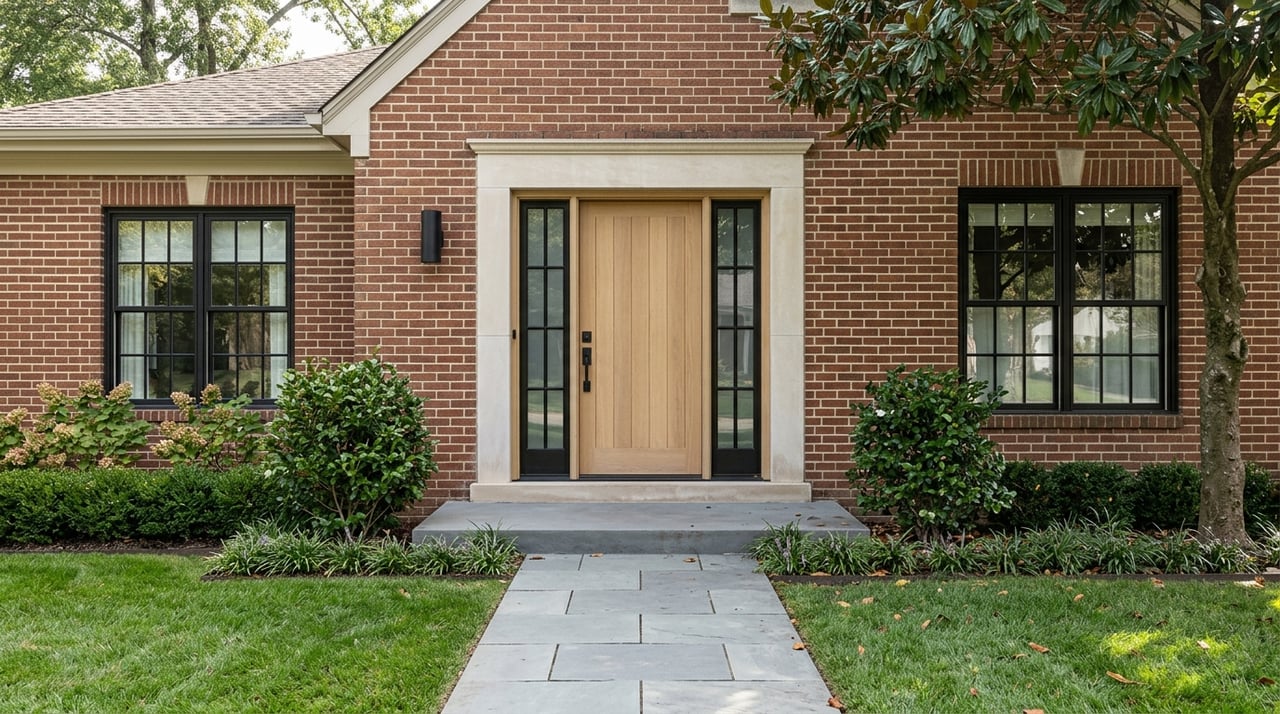
That can include new construction, renovations, repairs, remodels, window and door replacement, and other exterior features. Routine maintenance and interior work are generally excluded, but you should always confirm the specifics before planning a project.
A key warning from Highland Park’s local guidance is simple: do not buy materials before review. Work completed without approval can be subject to removal, which can turn a well-meaning update into an expensive mistake.
Practical ownership considerations
Historic homes can be incredibly rewarding, but they do ask more from you. In Birmingham’s core neighborhoods, the practical details matter just as much as the architecture.
Budget for exterior planning
If a home is in a local historic district, exterior updates may require added time, documentation, and coordination. That does not mean you cannot renovate. It means your timeline and budget should reflect the city’s review process.
This is where design-aware guidance can make a real difference. Knowing which improvements may need approval and how they affect resale can help you avoid missteps.
Pay attention to lot conditions
Topography is a major part of Birmingham’s historic neighborhoods. Forest Park and the Red Mountain Suburbs sit on rolling or sloping terrain, and Highland Park is currently seeing drainage improvements related to historic flooding issues.
If you are considering a home on a lower lot or a more complex site, ask questions about drainage history, retaining walls, and whether any floodplain documentation applies. Those details can affect maintenance, future projects, and peace of mind.
Ask about support tools
Birmingham’s preservation program also includes support tools beyond regulation. The city lists historic-preservation grant assistance, tax-incentive guidance, and adaptive-reuse incentive applications as part of its program.
For some buyers and owners, those resources may be worth exploring early. They can shape how you think about restoration work or long-term property planning.
Why local guidance matters
Buying or selling a historic home in Birmingham is rarely just about square footage. You are also evaluating architecture, block-by-block lifestyle, exterior restrictions, lot conditions, and the long-term value of thoughtful updates.
That is why neighborhood-specific advice matters so much in these areas. A buyer looking in Five Points South may need very different guidance than someone comparing Forest Park with Redmont or Avondale.
For sellers, the same principle applies. Historic homes often benefit from careful presentation, smart cosmetic decisions, and a clear story about what makes the property and location special.
If you are thinking about buying or selling in Birmingham’s historic core, working with someone who understands architecture, neighborhood identity, and renovation strategy can help you move with more confidence. When you are ready for a local, design-minded conversation, connect with Jake Callahan.
FAQs
What Birmingham neighborhoods are best for walkable historic home living?
- Five Points South and Highland Park are the strongest walkability options among Birmingham’s core historic neighborhoods, with Forest Park in the middle and Redmont Park more car-oriented.
What Birmingham historic neighborhoods feel more residential?
- Forest Park and the Red Mountain Suburbs generally feel more residential and landscape-driven, while Five Points South and Avondale tend to have more mixed-use activity nearby.
Can you renovate a historic home in Birmingham?
- Yes, but exterior changes in local historic districts may require design review and approval, especially for visible work such as windows, doors, additions, and exterior alterations.
Are all Birmingham historic homes subject to the same rules?
- No. Some homes are in National Register districts only, while others are in local historic districts where Birmingham’s design review process applies.
What should buyers ask about Birmingham historic properties?
- Buyers should ask about local historic district status, exterior review requirements, drainage history, retaining walls, and any site-related concerns tied to slopes or lower lots.