Moving to Birmingham and trying to figure out which neighborhood actually fits your lifestyle? Forest Park often lands on relocation shortlists for good reason. If you want historic architecture, a close-in location, and a neighborhood with personality, this guide will help you understand what to expect before you buy. Let’s dive in.
Why Forest Park draws relocating buyers
Forest Park is a historic Birmingham neighborhood on the northern slope of Red Mountain, about 2 miles from downtown. It covers roughly 230 acres, and its streets follow the natural hills instead of a strict grid. That layout gives the area a distinctive, established feel that many out-of-town buyers notice right away.
The neighborhood also stands out for its history. Forest Park was listed on the National Register of Historic Places in 1980, with an amendment in 1985. It is also one of Birmingham’s local historic districts, which matters because that local designation affects how some exterior changes are reviewed.
For many relocating buyers, the appeal is simple. You get a central Birmingham location, mature surroundings, and homes with architectural character that can be hard to find in newer neighborhoods.
What homes in Forest Park are really like
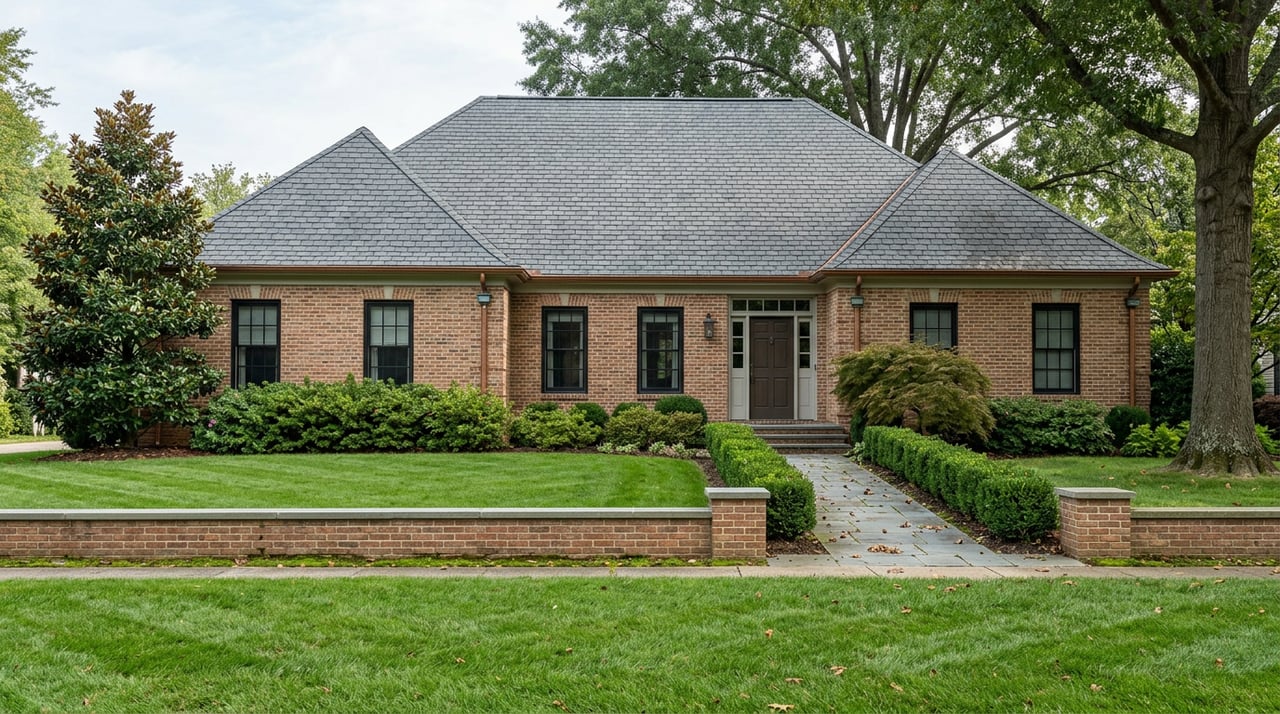
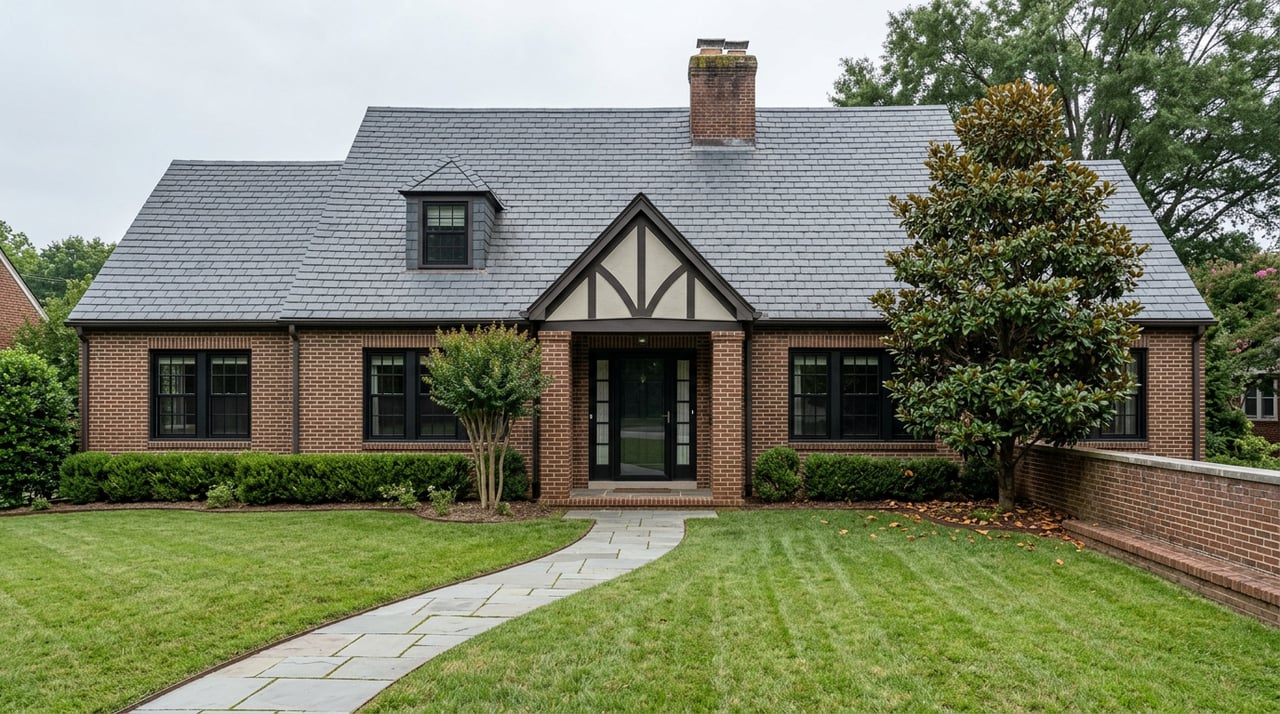
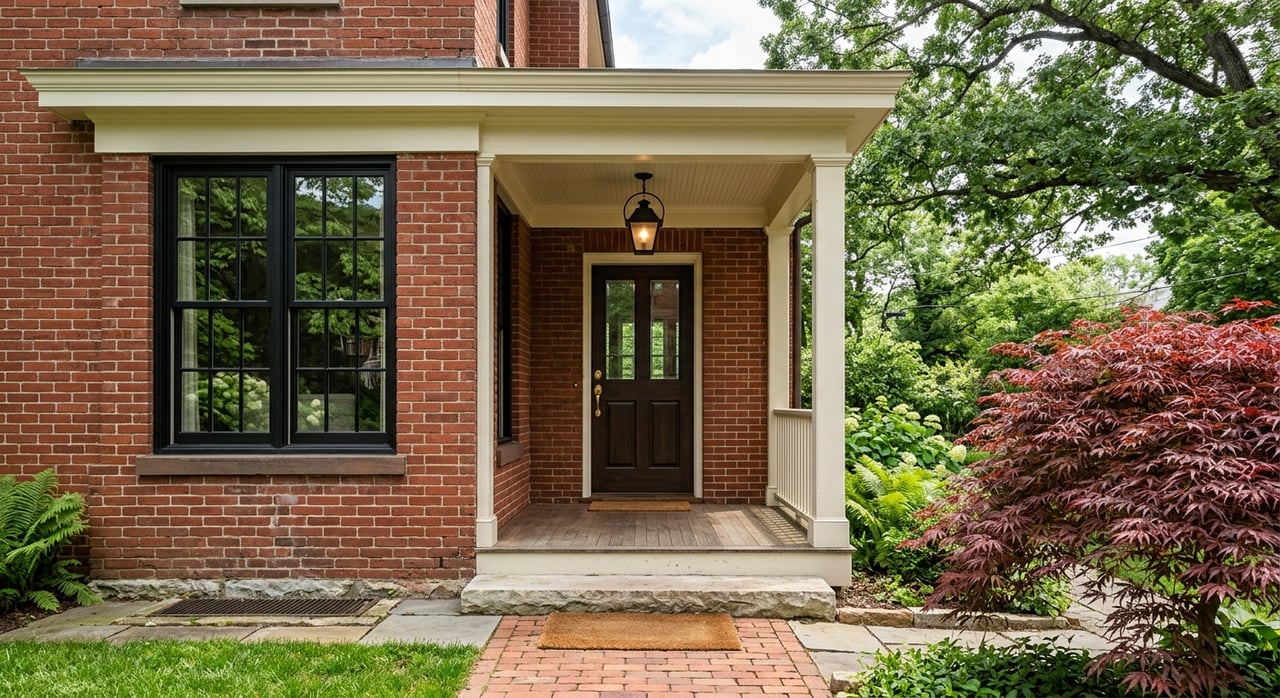
Forest Park is not a neighborhood of look-alike homes. Its housing stock reflects early 20th-century development, with a wide mix of styles and sizes. The historic district catalog documents 692 homes, and the neighborhood includes Georgian and Federal Revival homes along with English Tudor, Spanish and Mediterranean influences, California Bungalows, simpler bungalow forms, and Simplicity Houses.
That variety is part of the appeal, but it also means your home search may feel less predictable. One house may be carefully restored and move-in ready, while another may need updates to kitchens, baths, systems, or exterior elements. If you are relocating from an area with newer housing, this is one of the biggest mindset shifts to make.
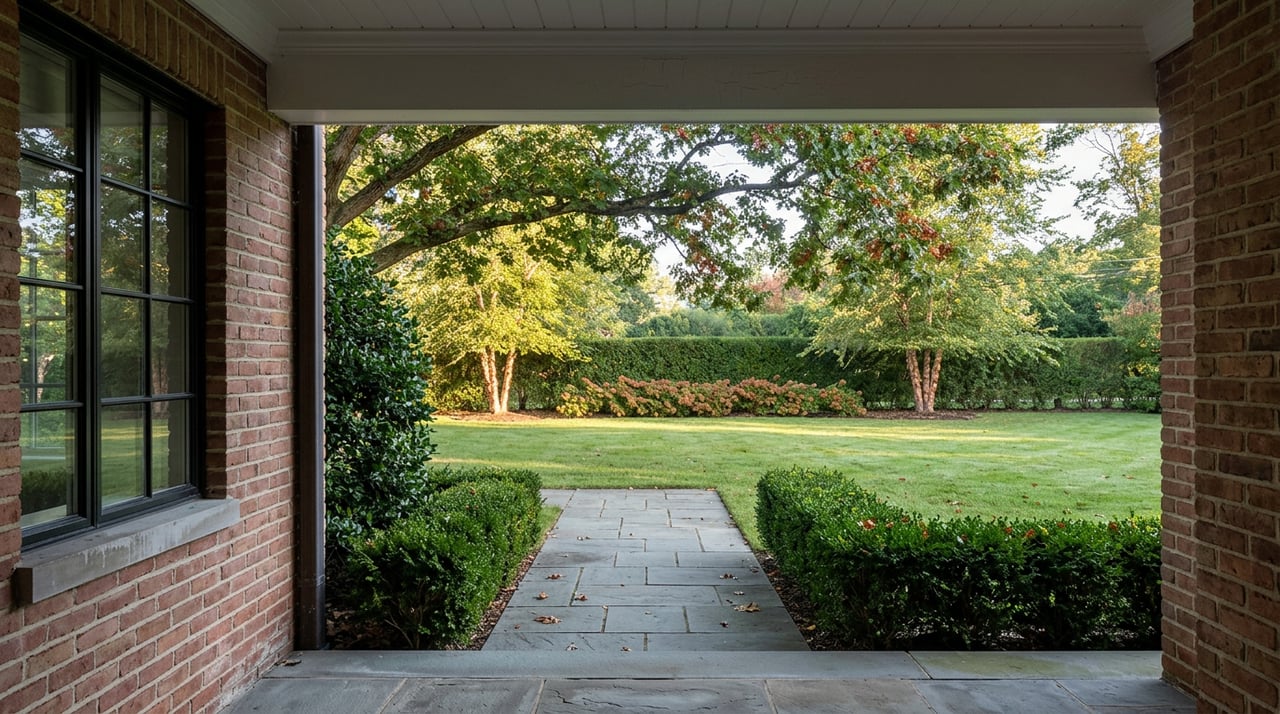
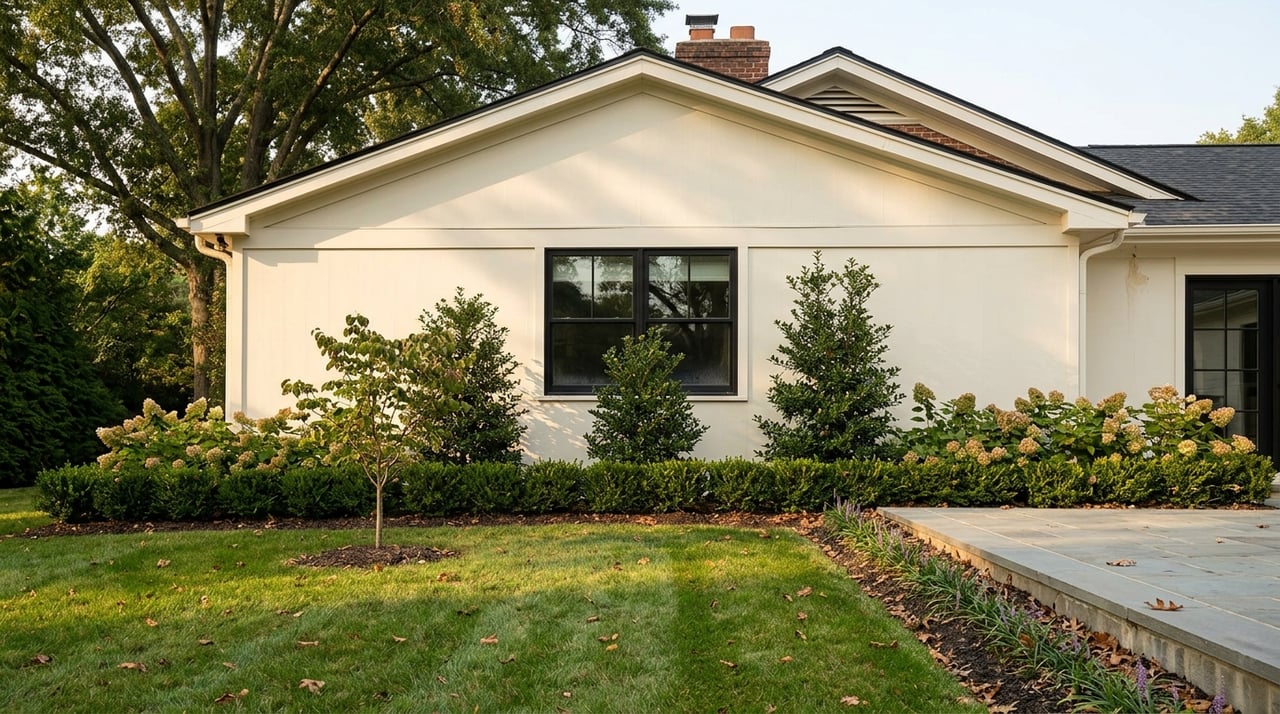
The lots and topography can shape your decision too. Because the terrain is sloped and the neighborhood developed over time, driveway setups, yard usability, and expansion options can vary from property to property. In Forest Park, details that might be standard elsewhere often deserve a closer look.
Architecture and character matter here
If design is important to you, Forest Park has a lot to offer. Many of the oldest homes reflect revival styles, especially Georgian, Tudor, and Adamesque influences, with Craftsman details also present. There are also mid-century and newer homes mixed in, which adds to the neighborhood’s layered feel.
This is part of why buyers are often drawn to Forest Park over more uniform areas. You are not just choosing square footage or bedroom count. You are often choosing between architectural styles, renovation history, lot features, and how much original character you want to preserve.
For a design-conscious buyer, that can be exciting. It can also make it more important to evaluate each home on its own merits rather than relying on neighborhood averages alone.
Historic district rules to know before buying
One of the most important things relocating buyers should understand is that Forest Park is a local historic district. In Birmingham, exterior work that requires a building permit and changes a building’s exterior appearance generally needs a Certificate of Appropriateness or a waiver through the city’s preservation-review process.
The city’s guidelines address features such as roof forms, windows, shutters, paint, additions, setbacks, fencing, and historic trees in the public right-of-way. In practical terms, that means exterior changes are more regulated here than they would be in a typical neighborhood.
That does not mean you cannot improve a home. It means you should plan carefully. If you are considering a purchase because you want to make visible exterior changes, it is smart to factor in review timelines, material choices, and design compatibility before you commit.
The best renovation opportunities in Forest Park
For many buyers, the sweet spot in Forest Park is a home with strong bones and room for thoughtful updates. Interior improvements like kitchen and bath renovations, plumbing and electrical modernization, HVAC upgrades, insulation work, and cosmetic refinishing may offer a practical path to better livability while preserving the home’s character.
This neighborhood tends to reward a design-aware approach. A house does not have to be fully turnkey to be a strong fit. In fact, some of the best opportunities may be homes where you can improve function and comfort without fighting against the architecture.
That is one reason Forest Park appeals to buyers who appreciate renovation upside. If you value character and can approach updates with patience and a clear plan, you may see more potential here than in a newer home that already looks finished but offers less personality.
Forest Park price range and market expectations
Forest Park is generally a higher-priced Birmingham neighborhood, but pricing can vary widely depending on condition, updates, and architectural appeal. Spring 2026 market snapshots show that range clearly.
Realtor.com’s April 2026 summary reports 36 homes for sale, a median listing price of $419,900, a median sold price of $580,000, $250 per square foot, and a median 39 days on market. Zillow’s March 31, 2026 home value index places the average neighborhood value at $433,665, while Redfin’s March 2026 market page reports a median sale price of $605,500 and a median 52 days on market. Since those sources track different data sets, they are best read as a range rather than one exact benchmark.
Active listings also show how broad the pricing spread can be. Current Forest Park listings include options in the low $200,000s, around $299,900, $350,000, $369,900, and $489,900, while other homes reach $699,000, $749,900, $775,000, $799,900, and higher. For relocating buyers, that means entry points do exist, but renovated or especially distinctive homes can command a significant premium.
Who Forest Park tends to fit best
Forest Park usually makes the most sense for buyers who want a central location, historic architecture, and some renovation upside. It can be especially appealing if you expect to spend time downtown or in the UAB area and want a neighborhood that feels established rather than newly built.
It may be a weaker fit if your top priority is a fully turnkey, low-maintenance house with very few upkeep demands. Older homes often come with more variation in systems, layouts, and maintenance needs. In a local historic district, exterior flexibility can also be more limited than some buyers expect.
That tradeoff is worth it for many people. If character, location, and architectural detail matter more to you than absolute uniformity, Forest Park may feel like a much better match than a newer subdivision.
Day-to-day life in Forest Park
Forest Park offers more than attractive homes. Clairmont Avenue serves as the neighborhood’s everyday commercial spine, giving the area a practical village feel. Forest Park Village at 39th Street and Clairmont Avenue hosts recurring dine, wine, and shop events, and official business pages identify destinations like Juniper, Rougaroux, and GENERAL along Clairmont Avenue South.
That local commercial presence helps support daily convenience. You still live in a primarily residential neighborhood, but you also have nearby dining and café options that add energy and walkable moments to everyday life.
Parks also shape the area’s livability. The City of Birmingham lists Clairmont Park, also known as Triangle Park, and nearby Avondale Park, a 36.5-acre city park with an amphitheatre and villa. Redfin gives Forest Park a Walk Score of 53, which suggests some errands and outings can happen without a car, even though most residents still rely on driving for many daily trips.
What relocating buyers should look at closely
When you tour homes in Forest Park, it helps to look beyond finishes. Pay close attention to how the lot works, how the house sits on the slope, and how previous updates were handled. In a neighborhood like this, the details behind the walls and outside the front door matter just as much as the staging.
A focused buying process often includes questions like these:
- How much of the home appears updated versus original
- Whether kitchens and baths match your near-term needs
- The likely condition of major systems
- How usable the outdoor space feels for your lifestyle
- Whether parking and driveway access work well for you
- What exterior changes, if any, you would want to make after closing
Those questions can help you compare homes more realistically. In Forest Park, value is often tied to condition, architectural integrity, and the cost of making a home function the way you want.
A smart way to approach your move
If you are relocating, Forest Park is easiest to navigate when you treat it as a neighborhood of individual opportunities rather than a one-size-fits-all market. Two homes at similar price points can offer very different value depending on layout, updates, lot usability, and renovation needs.
That is where local context matters. A design-forward, neighborhood-specific approach can help you spot when a home is priced for its condition, when character adds real long-term appeal, and when a renovation opportunity is exciting versus expensive.
Forest Park can be a great fit if you want a home with personality in a close-in Birmingham location. The key is making sure you go in with clear expectations about historic character, pricing, and the realities of owning an older home.
If you are planning a move and want help evaluating Forest Park with a practical, design-aware lens, Jake Callahan can help you compare homes, understand the neighborhood, and make a more confident relocation decision.
FAQs
What makes Forest Park in Birmingham appealing to relocating buyers?
- Forest Park appeals to many relocating buyers because it offers historic architecture, a location about 2 miles from downtown Birmingham, a neighborhood commercial area along Clairmont Avenue, and access to nearby parks.
What types of homes are common in Forest Park Birmingham?
- Forest Park includes a mix of Georgian and Federal Revival homes, English Tudor, Spanish and Mediterranean styles, California Bungalows, simpler bungalow forms, Simplicity Houses, plus some mid-century and newer homes.
What should buyers know about historic district rules in Forest Park?
- Because Forest Park is a local historic district, exterior work that requires a building permit and changes a home’s exterior appearance generally needs city preservation review through a Certificate of Appropriateness or waiver.
What is the price range for homes in Forest Park Birmingham?
- Current listings show entry points in the low $200,000s to low $400,000s, while renovated or especially distinctive homes can reach the $700,000s and higher.
Is Forest Park Birmingham a good fit for buyers who want a turnkey home?
- Forest Park may be less ideal if your top priority is a fully turnkey, low-maintenance home, since many properties are older and can require more upkeep, updates, or planning for future improvements.
What everyday amenities are near Forest Park Birmingham?
- Buyers will find dining and retail activity along Clairmont Avenue, events at Forest Park Village, and nearby green spaces including Clairmont Park and Avondale Park.