Not sure which Birmingham suburb fits your life, budget, and commute? If you are relocating, the choices can feel overwhelming, especially when each area offers a different mix of home styles, school zoning, amenities, and travel routes. This guide gives you a clear, practical framework to compare top options so you can move with confidence. You will find suburb snapshots, a side‑by‑side comparison, a simple discovery worksheet, and a two‑day tour plan to make the most of an on‑the‑ground visit. Let’s dive in.
How to compare Birmingham suburbs
Commute and corridors
Your daily route should be one of your first filters. The Birmingham metro revolves around a few primary corridors: I‑65, I‑20/59 through downtown, I‑459, U.S. 31, and U.S. 280. Drive times can swing widely by direction and time of day. Test your commute at peak hours using a navigation app, and check local traffic updates for construction that could affect your route.
Price and housing stock
Expect distinct price tiers and home‑age profiles. Mountain Brook typically sits at the high end with larger lots and classic architecture. Homewood and Vestavia Hills are premium but span a wider range of options. Crestwood and parts of Hoover and Vestavia offer more mid‑market opportunities, while Hoover also includes newer master‑planned communities. Weigh lot size, remodeling needs versus new construction, property taxes, and HOA rules.
Schools and zoning
Public school reputation is a major driver for many buyers. Districts serving Mountain Brook, Homewood, Vestavia Hills, and Hoover are commonly recognized for strong performance. Zoning in Crestwood can vary by specific address. Always verify the current attendance zone and consult state report cards for the latest data.
Walkability, amenities, and outdoor access
Village centers in Mountain Brook and Homewood offer walkable shopping and dining. Hoover and much of Vestavia are more car‑dependent but provide extensive retail and services. For outdoor time, look at access to local parks, the Cahaba River corridor, Ruffner Mountain, and Oak Mountain State Park.
Safety, flood, and ongoing costs
Check block‑level crime reports and year‑over‑year trends, rather than relying on citywide averages. Review FEMA flood maps for any property you consider. For ongoing costs, factor in taxes, utilities, insurance, and HOA fees where applicable.
Quick suburb snapshots
Mountain Brook
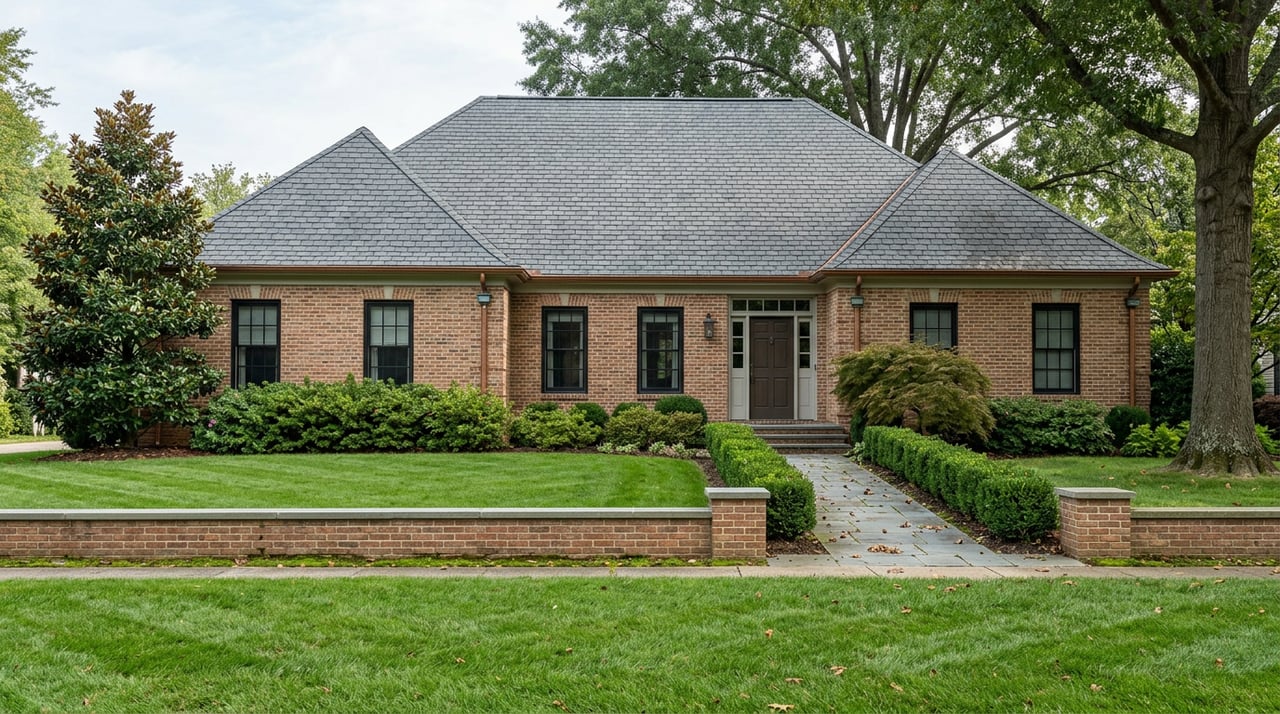
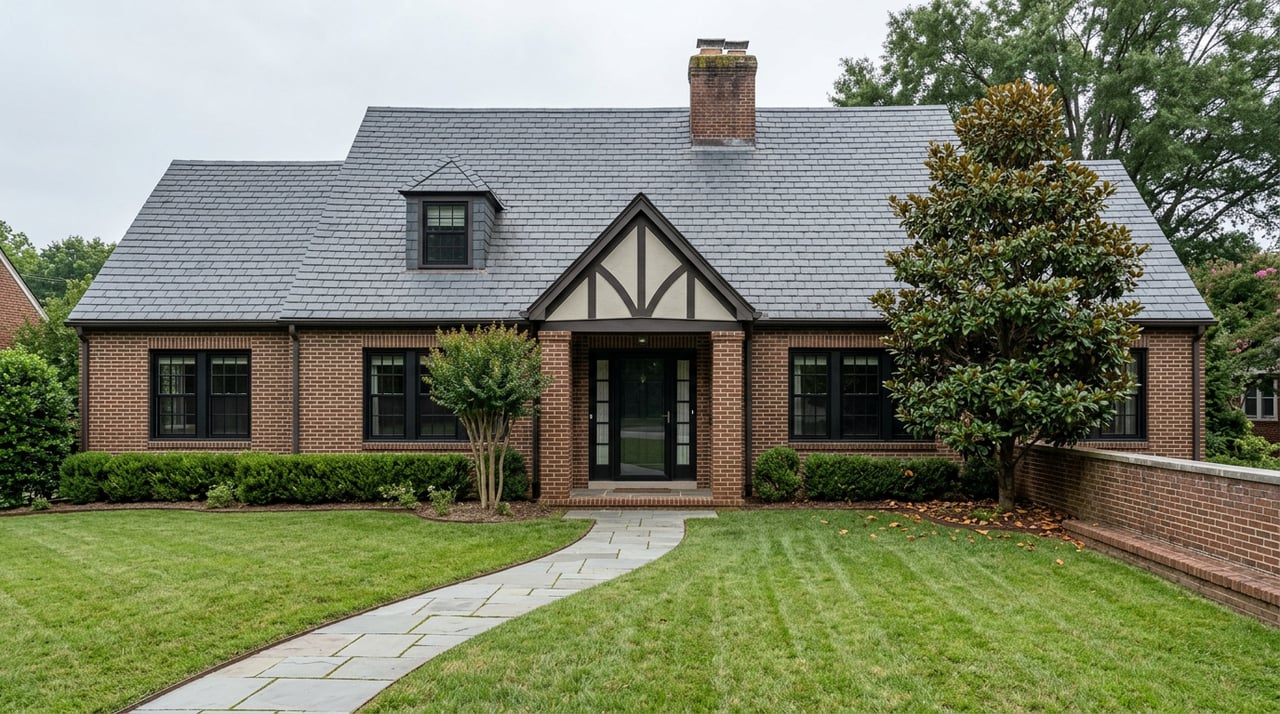
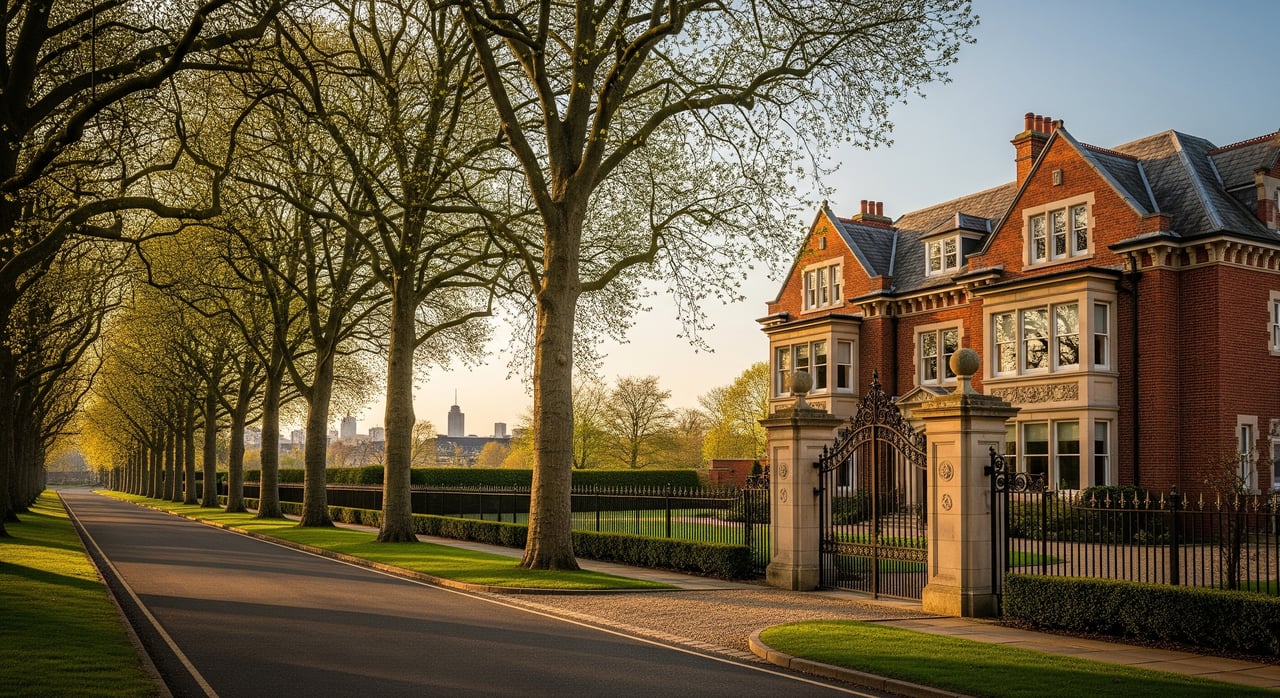
Planned early‑20th‑century suburb known for tree‑lined streets, larger lots, and classic Tudor, Colonial, and cottage architecture. Commutes to downtown are typically short, with a residential feel away from the core. Village centers bring boutique retail and dining. Housing skews toward the metro’s higher price band with limited inventory.
Homewood
Close‑in and walkable, with village nodes like Edgewood and SoHo and a mix of historic bungalows and newer infill homes. Convenient to I‑65 and U.S. 31, Homewood offers quick access to UAB and downtown. You will find strong dining and local parks, with a range of renovated homes and new builds on smaller lots.
Vestavia Hills
A suburban setting with rolling topography, established mid‑century homes, and newer subdivisions. Commute times vary by location, with access via I‑65, I‑459, and local arterials. Amenities include community recreation and shopping corridors. Prices run moderate to high with a broad mix of lot sizes.
Hoover
Geographically large and diverse. Housing ranges from modest older neighborhoods to newer master‑planned communities such as golf‑adjacent areas and large subdivisions. Commute length depends on proximity to I‑459 and U.S. 31, with some residents oriented to suburban employment centers. Expect major retail, restaurants, and quick access to Oak Mountain State Park.
Crestwood
A Birmingham neighborhood close to the core with a small, walkable commercial strip and mid‑century bungalows and cottages. Commutes to downtown and UAB are typically short. The neighborhood has a strong local identity, with renovations and infill in the mix. Pricing often sits in the mid‑market range.
Birmingham core
Urban living across diverse districts such as downtown, Southside near UAB, Avondale, and Five Points South. Expect condos, historic homes, and an active dining and cultural scene. Proximity to major employers is a key benefit. Neighborhood conditions and pricing vary street to street, so verify local details.
Side‑by‑side comparison
| Metric | Mountain Brook | Homewood | Vestavia Hills | Hoover | Crestwood | Birmingham core |
|---|---|---|---|---|---|---|
| Commute feel | Short to downtown; residential seclusion | Short to UAB/downtown via I‑65/U.S. 31 | Varies by exact location and route | Longer to downtown in some areas; good suburban access | Very short to core | Short if living near downtown/UAB |
| Housing types | Tudor, Colonial, English cottages; large lots | Historic bungalows, cottages, newer infill | Mid‑century ranch/split + newer builds | Older homes and large new subdivisions | Mid‑century bungalows, cottages | Condos, lofts, historic homes |
| Price posture | Highest tier, limited inventory | Premium with range | Moderate to high | Broad spectrum including mid‑market and luxury | Mid‑market | Mixed, varies by neighborhood |
| Walkability nodes | Village centers with boutique retail | Village centers with dining and shops | More car‑dependent overall | Car‑dependent with retail hubs | Compact local strip, neighborhood shops | Urban blocks with restaurants and venues |
| Amenities flavor | Boutique shopping, dining, parks | Local dining, parks, community events | Parks, community recreation, shopping corridors | Major retail, restaurants, large parks nearby | Independent shops, neighborhood events | Cultural venues, nightlife, employer proximity |
| HOA prevalence | Limited outside certain pockets | Limited outside select infill | Mix of none and subdivision HOAs | Common in newer master‑planned areas | Limited | Condo/HOA common in multifamily |
| Outdoor access | Local parks, nearby river corridors | Parks and neighborhood greens | Parks system across the city | Oak Mountain State Park and trails nearby | Proximity to urban parks, Ruffner Mountain access | Urban parks and trail access varies |
Commute planning tips
- Test three routes at peak times for each target neighborhood. Save the fastest, most reliable path in your navigation app.
- Note directional patterns. A suburb can be faster in the morning and slower in the evening depending on your workplace location.
- Plan for incident days. Identify an alternate route using secondary roads or another interstate segment.
- If you will drive children to school, run that route separately and include pickup hours in your tests.
Budget, value, and resale
- Align your budget with the housing stock that fits your timeline. Historic homes can need renovation, while newer subdivisions may include HOA fees and design guidelines.
- Resale value in the Birmingham metro is often supported by a combination of school reputation, proximity to downtown and UAB, lot size, and cohesive neighborhood character.
- Newer communities near major employers and retail can perform well, but they can be more sensitive to supply cycles. Ask for recent comps and days on market by micro‑neighborhood.
Discovery worksheet: choose your fit
Use this quick worksheet to compare areas side by side. Score each item 1–5 to visualize your best match.
Buyer profile
- Moving from (city/state): ______
- Household size / children / pets: ______
- Remote vs required in‑office days per week: ______
- Non‑negotiables (district / yard / garage / one‑level / walkable): ______
- Budget range (min–max): $______ – $______
Neighborhood comparison table
| Metric | Mountain Brook | Homewood | Crestwood | Vestavia Hills | Hoover | Birmingham core |
|---|---|---|---|---|---|---|
| Commute to downtown (AM/PM) | ______ | ______ | ______ | ______ | ______ | ______ |
| Commute to your workplace(s) | ______ | ______ | ______ | ______ | ______ | ______ |
| Typical home type(s) | ______ | ______ | ______ | ______ | ______ | ______ |
| Price range notes | ______ | ______ | ______ | ______ | ______ | ______ |
| School district & boundaries checked | ______ | ______ | ______ | ______ | ______ | ______ |
| Walkability / main nodes | ______ | ______ | ______ | ______ | ______ | ______ |
| Parks/recreation within 15 minutes | ______ | ______ | ______ | ______ | ______ | ______ |
| HOA presence & typical fees | ______ | ______ | ______ | ______ | ______ | ______ |
| FEMA flood zone status | ______ | ______ | ______ | ______ | ______ | ______ |
| Safety/crime notes verified | ______ | ______ | ______ | ______ | ______ | ______ |
| Resale potential score (1–5) | _ | _ | _ | _ | _ | _ |
| Final fit score (1–5) | _ | _ | _ | _ | _ | _ |
Open items to ask your agent
- Recent comps in the exact micro‑neighborhood and price per square foot: ______
- Common inspection issues by home era (roof, HVAC, foundation, drainage, termite history): ______
- Utilities and typical monthly costs for electric, water, sewer, trash: ______
- Internet options and speeds at the address: ______
- Typical time on market and seller concessions right now: ______
Two‑day area tour plan
Day 1: Close‑in villages
- Walk Mountain Brook Village, English Village, and Homewood’s Edgewood or SoHo. Note sidewalks, mature trees, and the feel of each retail center.
- Tour 4–6 homes across price tiers in Mountain Brook, Homewood, and nearby Crestwood to compare architecture, lot sizes, and renovation levels.
- If possible, test your AM or PM commute during the day to understand traffic flow and bottlenecks.
Day 2: Vestavia and Hoover
- Drive I‑65, I‑459, and U.S. 280 to see traffic patterns at different times. Visit sample streets in Vestavia Hills and Hoover, including newer subdivisions.
- Stop by major retail corridors and Oak Mountain State Park to gauge weekend convenience and recreation access.
On‑the‑ground checklist
- Street character: sidewalks, lighting, tree canopy, front‑porch activity versus driveway parking focus.
- Lot and grading: slope, drainage, backyard privacy, runoff paths.
- Noise: proximity to highways, retail corridors, and any flight paths.
- Everyday services: distance to grocery, pharmacy, urgent care, and preferred restaurants.
- Neighborhood upkeep: sidewalk condition, landscaping, and the general maintenance of nearby homes.
Questions to bring your agent
- What are the most recent comps and pending sales nearby? Any contingencies to watch?
- Are certain blocks seeing more renovations or new construction this year?
- What inspection issues are common for homes of this era in this area?
- What are the exact school boundaries for shortlisted properties? Any planned redistricting?
- Are there planned roads, retail centers, or subdivisions that could change traffic or values?
- For new builds: typical timelines, builder reputations, and warranty protection.
Post‑tour next steps
- Rank neighborhoods using your worksheet scores. Request local comps for your top three homes, review disclosures, and collect recent utility bills.
- Line up inspectors and obtain insurance quotes early if you plan to write quickly.
Next steps
If you want a clear plan from first tour to closing, along with renovation‑smart advice on value and presentation, connect with a local advocate who knows these streets block by block. Start your move with a custom suburb short list, live commute checks, and targeted property previews. Reach out to Jake Callahan to get your relocation plan and neighborhood comparison worksheet.
FAQs
What should I know about Birmingham commute times?
- Commute times vary by direction and peak hour. Test your route during AM and PM peaks using a navigation app, and consider alternates using I‑65, I‑20/59, I‑459, U.S. 31, or U.S. 280.
How do Birmingham‑area school options compare across suburbs?
- Many buyers consider Mountain Brook, Homewood, Vestavia Hills, and Hoover districts as strong; verify attendance boundaries and consult current state report cards for specific addresses.
How can I check flood risk for a Birmingham home?
- Review the property’s FEMA flood zone status and ask your agent about local drainage patterns, recent flooding reports, and typical insurance considerations.
Are HOAs common in Birmingham suburbs?
- HOAs are more common in newer subdivisions, especially in parts of Hoover and some newer Vestavia developments; review fees and covenants before you offer.
Which Birmingham areas feel most walkable for daily errands?
- Village centers in Mountain Brook and Homewood, plus Crestwood’s local strip, offer walkable nodes; much of Hoover and Vestavia is more car‑dependent but has extensive retail access.