If you're getting ready to list a house in Forest Park, someone has probably already told you the good news: the Alabama Real Estate Commission explains that Alabama is a caveat emptor state, buyer beware.
That's true. It's also almost beside the point if your house was built between 1910 and 1935, which describes most of Forest Park. The exceptions to Alabama's no-disclosure rule are narrow, but at least one of them applies to nearly every home in this neighborhood by default. And the inspection findings that actually move a Forest Park negotiation aren't legal surprises at all. They're the same handful of issues an inspector could predict before pulling into the driveway, because the neighborhood's own construction history put them there on purpose.
The Law on Paper
Alabama courts have held caveat emptor as the standard for existing home sales for decades. The Alabama Real Estate Commission puts it plainly on its own consumer information page: there is no warranty which comes with the sale of a used home.
Separately, the Alabama Association of Realtors' voluntary property disclosure form, as described by Trinity Inspections, walks through roof, plumbing, electrical, HVAC, foundation, and past water intrusion.
The Alabama Association of Realtors has flagged a real wrinkle here: if a buyer signs an "as-is" contract and the seller's voluntary disclosure isn't written into that contract as an exhibit, Alabama courts have found the disclosure carries very little weight after closing. Two cases decided this directly, and the upshot for a seller is simple. If you're going to disclose something in writing, make sure your agent builds it into the contract itself, not just into a separate form that gets forgotten in a file.
The Exception That Swallows the Rule Here
Caveat emptor has a federal ceiling that doesn't bend for any state law, and it's the one exception that actually governs most of Forest Park's housing stock: the Residential Lead-Based Paint Hazard Reduction Act. Any home built before 1978 requires the seller to provide the EPA's lead hazard pamphlet, disclose any known lead-based paint, hand over whatever records exist, and give buyers a ten-day window to conduct their own lead inspection before they're bound to the contract.
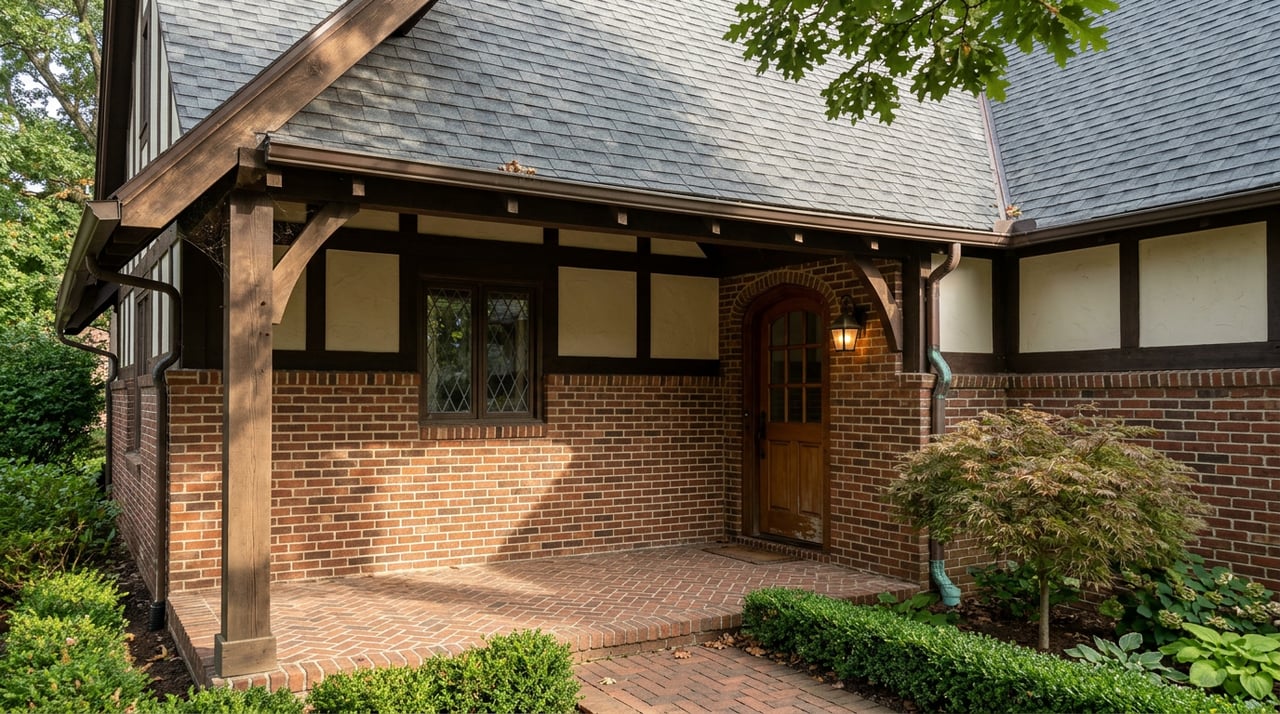
Forest Park was developed by the Jemison Company starting in 1906, and the majority of its homes were built in the first thirty years of the twentieth century. That means the "you don't have to disclose anything" pitch you might hear applies to almost nothing in this neighborhood. The one disclosure federal law actually requires is the one nearly every seller here has to make.
What the Inspector Already Knows Before Walking In
Forest Park grew up as a streetcar suburb, served originally by the Birmingham Electric Company's Crestwood line, which is part of why the lots are modest and the bungalows sit close to a walkable grid instead of a post-war cul-de-sac layout. None of these houses were built with central air in mind, and every one of them has had HVAC retrofitted at some point, usually more than once. That retrofit history shows up in inspection reports with striking consistency:
- Bungalows on the side streets off Montevallo Road often have almost no attic clearance, which is why so many have been converted to ductless mini-split systems rather than traditional ductwork.
- Original electrical panels in these homes are frequently still fuse boxes, which typically need an upgrade before new HVAC equipment can be installed.
- Units sized for more cooling than a 1,100 to 1,400 square foot bungalow actually needs will short-cycle: the room cools in a few minutes, the thermostat is satisfied, and the air stays humid because the system never ran long enough to pull moisture out.
- Return ductwork is commonly undersized because past contractors built around whatever space was available in the attic rather than what the equipment specification called for.
None of this is a scandal. It's what happens to a housing stock that's been through nine decades of retrofits. But it does mean that when a Forest Park inspection turns something up, it's rarely the kind of surprise that derails a deal. It's usually confirmation of something the neighborhood's own building history already predicted.
Confirmed Expectations Beat Surprises
That distinction, expected versus surprising, is where the real leverage sits. Statewide data on Alabama sales shows that when sellers share what they know up front, inspection findings tend to confirm what the buyer already expected rather than triggering new price reductions or repair credits after the fact. Roughly 58 percent of Alabama sellers say they worry an inspection will reveal problems with their property. In a neighborhood like Forest Park, where the ductwork and panel issues are practically a known quantity before the inspector's van pulls up, that worry is largely misplaced if you've already put the retrofit history on the table.
The math backs this up locally. As of the end of August 2026, the average home value in Forest Park sat at $441,594, up 1.1 percent over the previous year, according to Zillow's home value index. That's a market moving in small, steady increments, not one absorbing shocks. A house that sells in this environment with no surprises tends to close closer to list price. A house where the buyer discovers the fuse panel or the mini-split situation during their own inspection, after being told nothing, is a house where renegotiation becomes the path of least resistance.
If You've Touched the Exterior, the Design Review Committee Already Knows
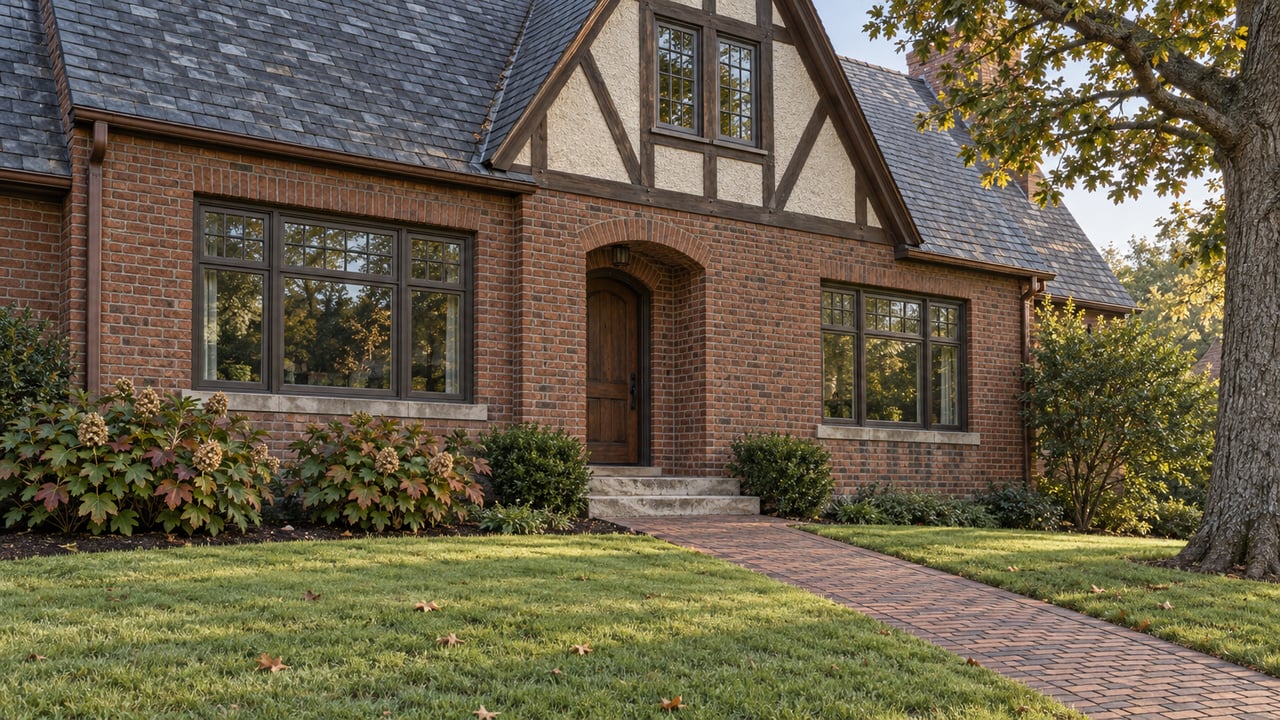
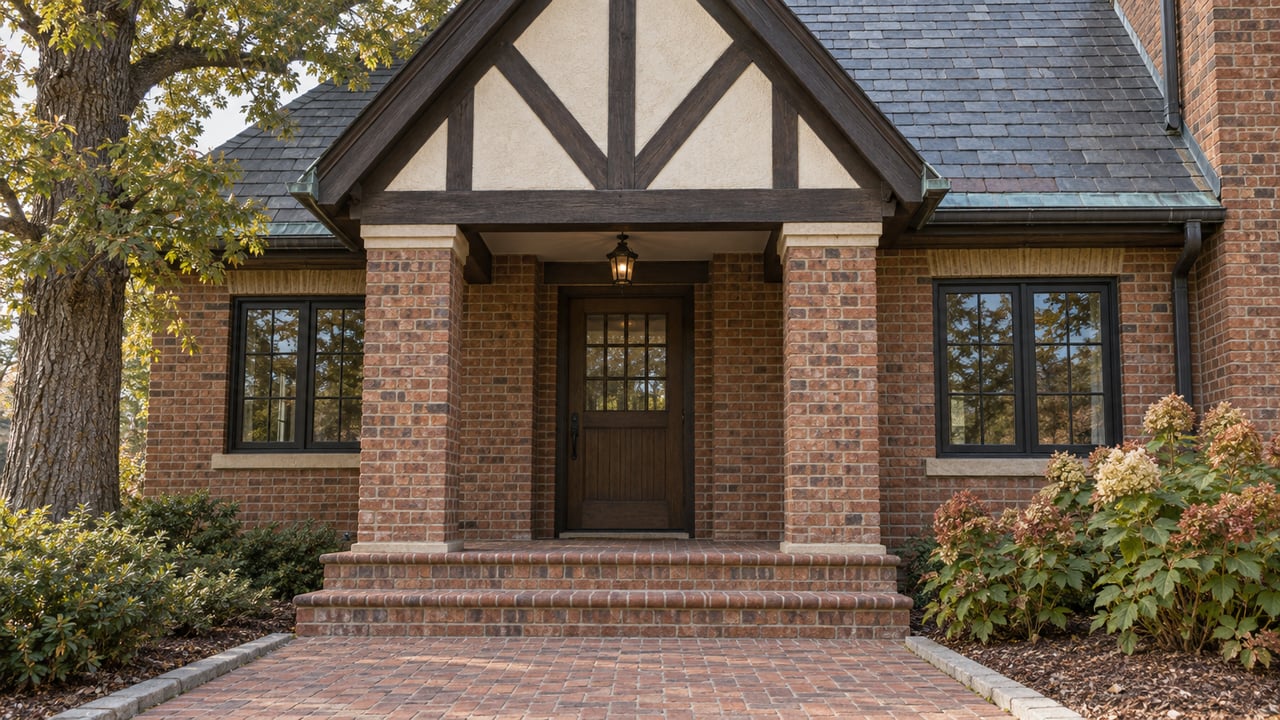
Forest Park carries a distinction worth remembering when you're prepping a listing: it was the first neighborhood in Birmingham placed on the National Register of Historic Places, back in 1980, and it was the first to become a local historic district with its own design review process. The Forest Park Design Review Committee stays active today, guiding residents through the permitting steps required to keep the neighborhood's architectural character intact.
This isn't a caveat emptor issue in the legal sense. But buyers and their agents in this neighborhood tend to ask, because everyone here knows the district exists. If you've done exterior work in the past few years, having that paperwork ready to show, rather than waiting for someone to ask, saves a step during due diligence and signals that the work was done the right way.
What This Means If You're Listing This Fall
Put together, the picture looks like this. Alabama's disclosure law gives you less cover than the headline version suggests, because the one hard federal requirement, lead paint, applies to almost every house in Forest Park by default. The physical issues buyers actually find here are largely predictable outcomes of the neighborhood's own construction era, not hidden defects. And the market is moving steadily enough that a clean, no-surprise transaction is more likely to hold its price than one that hits a renegotiation midstream.
The practical move isn't complicated. Talk to your agent early about what your HVAC and electrical history actually looks like. If you're going to complete the voluntary AAR disclosure form, make sure it gets written into the purchase contract as an exhibit rather than left to stand alone. And if you've had exterior work done, keep that design review paperwork within reach.
A Few Questions Forest Park Sellers Ask
Do I have to get a home inspection before I list? Many sellers choose to inspect their own property before putting it on the market, specifically so there are no surprises once a buyer's inspector shows up.
I repainted years ago. Does the lead paint disclosure still apply? Yes, if the home was built before 1978, the federal disclosure requirement is tied to the age of the structure, not to when it was last painted.
Selling a home this old comes with more moving parts than a standard listing, and getting the sequence right, disclosure, inspection readiness, and design review paperwork, before you go live can be the difference between a smooth close and a renegotiation. If you're weighing a listing in Forest Park this season, Jake Callahan can walk through what your specific house is likely to face. Request a Free Home Valuation & Consultation to start that conversation.
This article is general information, not legal, tax or financial advice. Consult a qualified professional about your situation.